Premium natural extracts and biochemical precursors produced under strict international quality guidelines.
Beta-Glucanase is an essential class of biocatalytic enzymes that hydrolyze beta-glucans, which are complex non-starch polysaccharides (NSPs) found prominently in the cell walls of cereal grains like barley, oats, rye, and wheat. Chemically, these cell wall matrix polymers consist of D-glucose units linked by β-1,3 and β-1,4 glycosidic bonds. Because of their unique chemical linkages, beta-glucans exhibit high water-binding capacity, forming highly viscous aqueous gels that disrupt liquid-solid separation in industrial environments.
As a leading wholesale Beta-Glucanase enzyme factory, our formulations are optimized to target these specific linkages. By cleaving the structural backbone of β-D-glucans, our enzyme solutions efficiently reduce the viscosity of process media, releasing bound starches, proteins, and minerals. This catalytic breakdown increases throughput across multiple sectors, transforming sticky, hard-to-filter mixtures into easily processed, low-viscosity liquids.
Our biological preparation utilizes advanced strains of Trichoderma reesei and Bacillus subtilis through submerged fermentation, ensuring that the final enzyme preparation exhibits excellent temperature and pH stability. This thermodynamic resilience makes it highly compatible with harsh industrial settings, including malting mashing cycles and high-temperature animal feed pelleting processes.
Providing high-activity enzyme configurations tailored to solve mechanical and nutritional bottlenecks globally.

Un-degraded beta-glucans increase wort viscosity, leading to sluggish lautering, beer haze, and membrane fouling. Our enzyme speeds up wort filtration, improves extract yields, and guarantees brilliant beer clarity.

By eliminating the anti-nutritional viscosity barriers of barley and oats, our feed-grade Beta-Glucanase improves the Feed Conversion Ratio (FCR), enhances nutrient uptake, and promotes poultry gut health.

In bioethanol production, degrading the plant fiber matrix exposes cellulose structures for rapid amylase saccharification. This dramatically reduces energy consumption during slurry pumping.

Improves dough properties, volume consistency, and structural elasticity in grain-based dietary bakery formulations. Delivers optimal moisture management and extends shelf life naturally.


UniCare is a professional supplier of natural active ingredients. Our products are widely used in various fields such as dietary supplement, food, cosmetics and pharmaceuticals. We focus on product development and quality stability, and insist on growing together with our customers around the world.
UniCare has deep cooperation with several excellent Chinese manufacturers who have complete quality management system certifications, including but not limited to GMP, EUGMP, CEP, ISO9001, ISO22000, and HACCP. Each factory has independent testing capabilities and is equipped with advanced and efficient testing equipment to ensure the high quality and long-term stability of each batch of products.
By integrating industrial fermentation expertise with botanical purification processes, we provide high-activity biological enzymes, including Beta-Glucanase. Our scientific methodologies allow us to cater to precise enzyme activity demands while offering consistent supply chains for worldwide distribution.
Guiding our industrial manufacturing processes with innovation, technological advancement, and community growth.
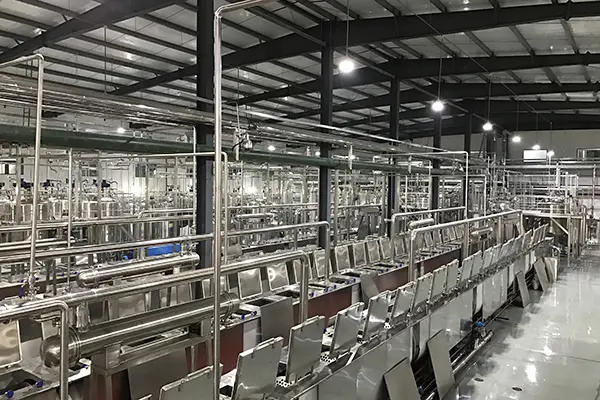
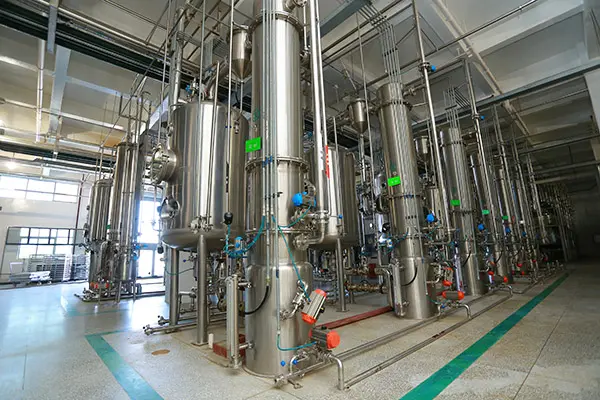
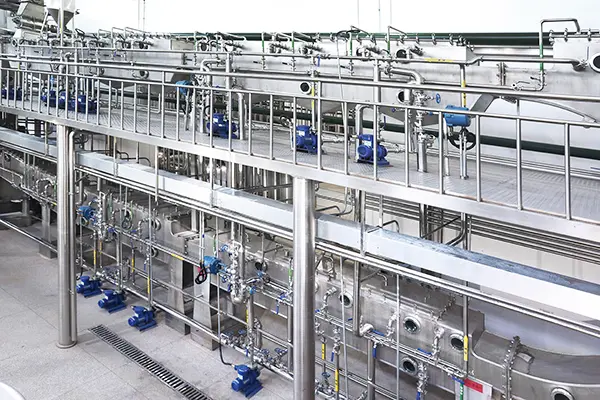
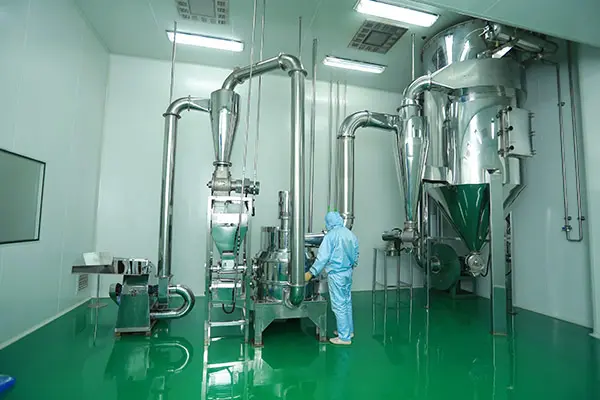
Equipped with China's most advanced automated extraction and fermentation technologies.

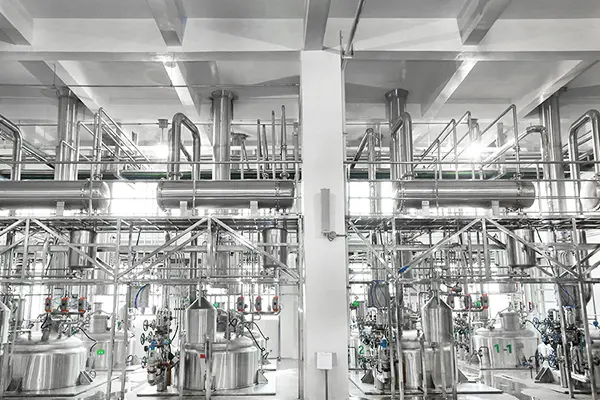
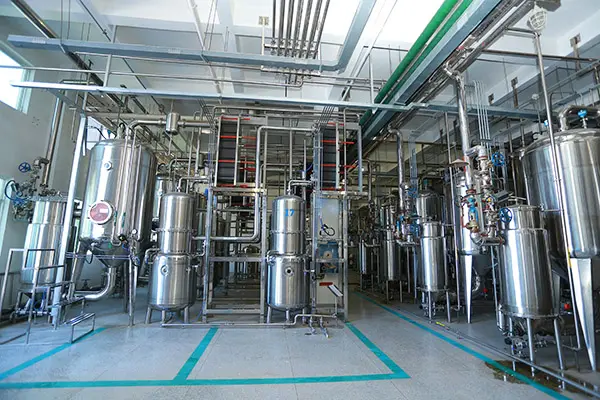
UniCare attaches great importance to the hardware conditions of production equipment and has the largest and most advanced extraction factory in China. The entire production line in UniCare is controlled by a modern, intelligent, automatic control system. Until now, UniCare has built up two GMP workshops, containing six multi-functional extraction lines, among which there is the only production line for Ginkgo Biloba Extract of acetone process in the whole China. Here are several other production lines including fermentation production lines and Chinese medicine pieces. A total of 30,000 tons of various Chinese medicine plant raw materials can be processed each year.

The factory has passed the China GMP certification, aligning operations with national biological control standards.

Our Ginkgo Biloba Extract facility has been EU-GMP and CEP certified, validating our commitment to international regulations.

All extraction and fermentation lines are configured with automated control systems to ensure batch reproducibility.

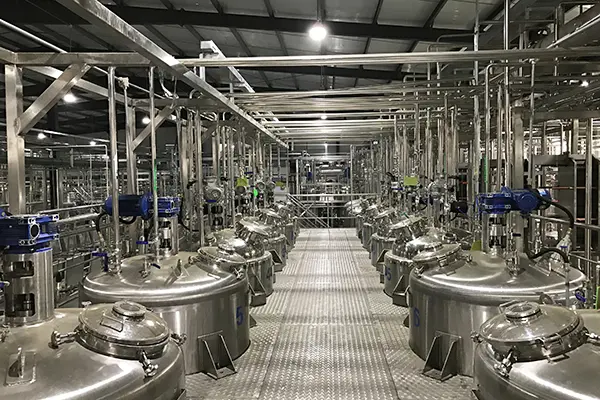
Equipped with China's leading extraction machinery and deep tank bioreactors for steady enzymatic production.

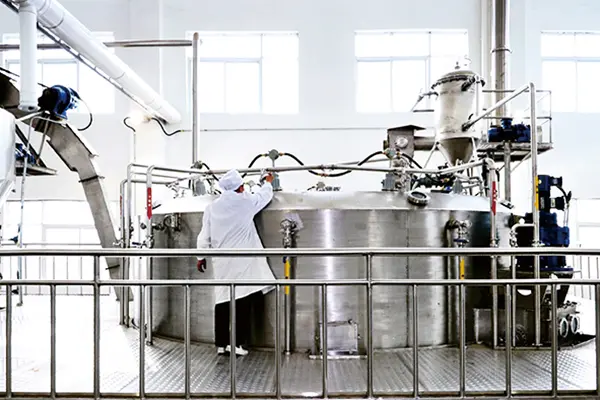
Capable of processing massive raw botanical inputs annually under GMP cleanroom conditions.

Includes three dynamic countercurrent extraction lines (10T & 15T) and two multi-functional extraction setups (32 tanks).

Own the only acetone process extraction line for Ginkgo Biloba Extract in China meeting EU GMP standards.
Own six fermentation tanks (20 tons capacity for each) dedicated to the production of high-grade enzyme-modified products and concentrated biological formulas.
Visualizing our cleanroom environments and automated processing chambers.
Analytical precision and systematic testing protocols verifying chemical and biological purity.
United New Life has established a leading and complete quality control system, and strictly controls the high quality of products in accordance with the quality system. With advanced testing instruments, strict control of product quality, to provide every customer with high quality products. Detectable items are: Signature component detection (HPLC or UV), solvent residues GC, pesticide residues (organochlorine detection) GC-MS-MS, heavy metals (lead, arsenic, mercury, cadmium, copper) ICP-MS microscopic identification, moisture, dry weight loss, ash, microbial limits, thin layer identification, weighing, conductivity, PH, sulfur dioxide residue, routine detection, etc.
Important testing instruments are: Two UHPLC Agilent 1290 ultra-high performance liquid chromatographs, four HPLC Agilent 1260 high performance liquid chromatography sets, there are two HPLC Shimadzu LC-20AT high performance liquid chromatographs, two HPLC Diane CU3000, two Shimadzu evaporative light scattering detectors 2000ES, one Shimadzu GC2010 gas chromatograph, and one Shimadzu AA-7000 atomic absorption system.
| Analytical Category | Specific Parameters & Targets |
|---|---|
| Active Ingredient Analysis | Assay testing, specific enzymatic activity assays, chromatographic identification. |
| Hazardous Substance Analysis | Heavy metals profiling, pesticide residue quantification, trace solvent residues. |
| Microbe Analysis | Total viable count, Escherichia coli, Yeast & mold limits, absence of pathogens. |
| Raw Material Control | Allergen screening, non-GMO validation, botanical sourcing, geographical tracing. |
| Laws & Regulations Confirmation | Verification of target market compliance (EU, FDA, Chinese GB standards). |
| Stability Test | Shelf-life assurance verified under accelerated and long-term storage tests. |
| Physical Characteristics | pH value, moisture percentage, ash content, optical rotation, bulk density. |
| Instrument Model | Laboratory Quantity | Primary Industrial Purpose |
|---|---|---|
| UHPLC Agilent 1290 | 2 Sets | Ultra-high pressure chromatography for rapid component identification. |
| HPLC Agilent 1260 | 4 Sets | Routine purity assay verification and botanical content screening. |
| HPLC Shimadzu LC-20AT | 2 Sets | Redundant high-capacity analysis to sustain shipping schedules. |
| ELSD Shimadzu 2000ES | 2 Sets | Analysis of non-UV absorbing molecules like lipids and carbohydrates. |
| Shimadzu GC-2010 | 1 Set | Gas chromatography profiling for organic solvents and volatile residues. |
| Shimadzu AA-7000 / AA-700 | 1 Set | Atomic absorption for micro-quantification of elemental heavy metals. |
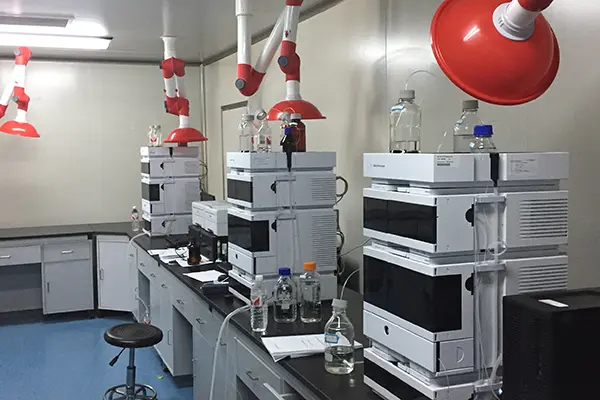
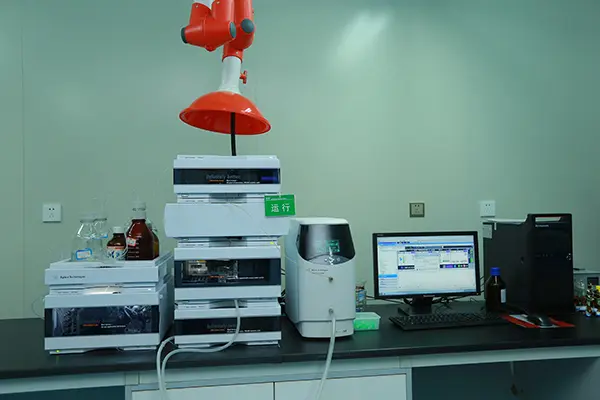
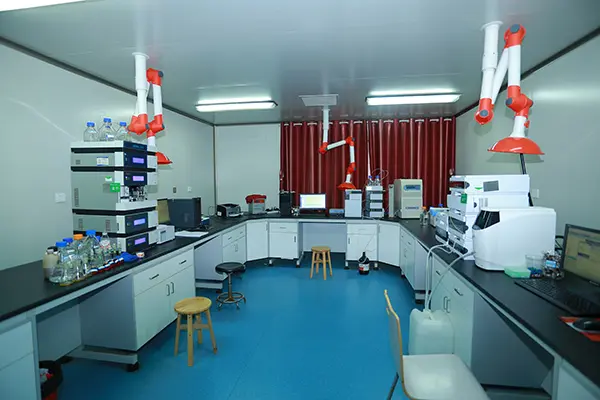
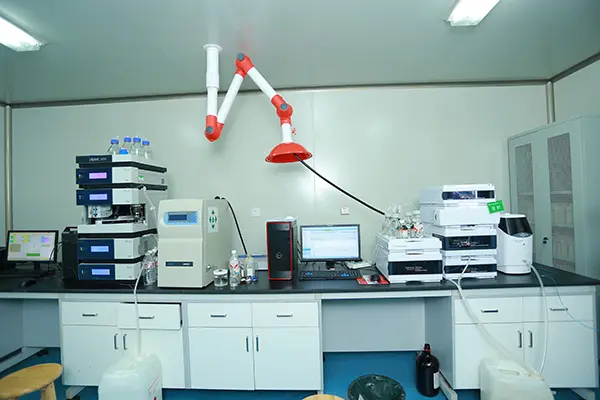
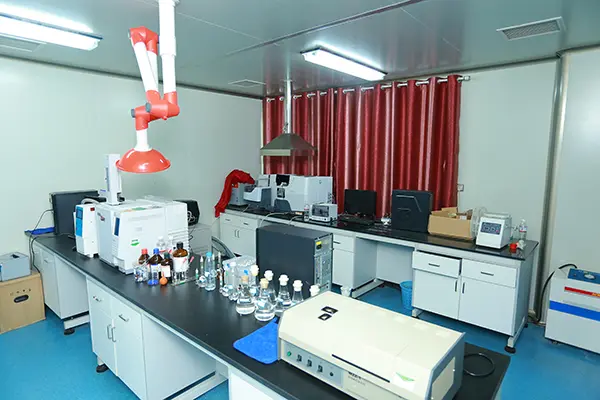
R&D Initiatives: UniCare invests 10% of our annual net profit in research and development. In addition to optimizing and developing the existing natural plant extraction process, we have also established a professional R&D department for the natural fermentation products. By increasing investment in natural fermentation products, we try to break through the traditional processes and disrupt industry development. UniCare has deep cooperation with Beijing University of Chemical Technology in the field of fermentation, jointly developing and transforming the new raw materials of pharmaceutical, cosmetic, and natural health products into mass-produced products.
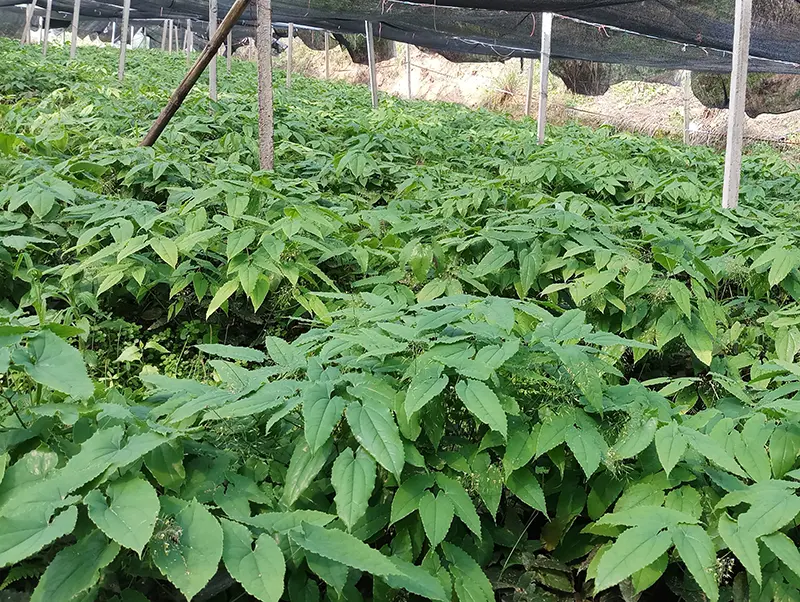
Planting and Procurement Controls: In order to control raw materials more efficiently and with higher quality, a raw material procurement system has been established, which extends procurement to every piece of planting land and can trace the raw materials of each batch of products. The storage of raw materials is operated according to the advanced quality management system process, and the content of active ingredients, moisture, ash, heavy metals, pesticide residues and other items of raw materials are strictly controlled.
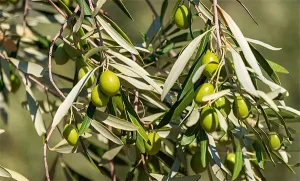
At the same time, in order to further ensure the high quality of important products, UniCare cooperated with planting farmers to establish ginkgo leaf planting bases, epimedium planting bases, phellodendron planting bases, olive leaf planting bases, etc. Some of these bases are planted strictly in accordance with the GACP management model. In addition, we cooperate with seedling research and development companies to develop high-content seedling cultivation, and cultivate better seedlings through hybridization or gene optimization, so as to continuously reduce unit costs to benefit users.

Facilitating seamless international transactions through targeted regional support and rigorous regulatory alignment.
We support global distributors by preparing extensive technical documentation, including safety data sheets (SDS), GRAS notifications, Allergen declarations, and Non-GMO project verifications.
Depending on local feedstock profiles (high barley versus wheat ratios), our team custom-formulates multi-enzyme blends combining Beta-Glucanase, Xylanase, and Phytase for optimal synergy.
With partnerships spanning across key shipping lanes, we supply enzymes in hermetically sealed industrial drums and dry vacuum bags, preserving target enzymatic activity during transport.
Leading the next generation of industrial biotechnology through genetic optimization and sustainable cultivation.
The industrial enzyme landscape is rapidly moving towards extreme thermo-tolerance and multi-functional enzyme complexes. Our collaborative work with the Beijing University of Chemical Technology focuses on engineering next-generation Beta-Glucanases that showcase improved resistance to thermal degradation up to 90°C. This is highly beneficial for feed mills operating under intense conditioning temperatures, allowing the enzyme to survive processing and remain fully active in the animal's digestive tract.
Additionally, we are exploring genetic host optimization in Pichia pastoris to increase secretory yields. This breakthrough will reduce production costs, allowing us to offer even more competitive wholesale pricing structures to our global partners. By combining gene-optimized enzymes with GACP-certified raw botanicals, UniCare is positioning itself to deliver integrated health and manufacturing solutions across the globe.
Answering high-intent questions on industrial applications, enzyme activities, and shipment controls.
Explore our complete export collection developed for global industries.