Explore our core selection of high-purity natural extracts and bioactive compounds, manufactured under strict quality standards for food, cosmetic, and pharmaceutical applications.
Gamma-Aminobutyric Acid (GABA) has transitioned from a niche dietary supplement ingredient into a premier functional raw material demanded across multiple sectors, including active pharmaceuticals, functional nutrition, cosmetic barrier-recovery formulas, and stress-modulation beverages. As the primary inhibitory neurotransmitter in the mammalian central nervous system, GABA plays an indispensable role in regulating neuronal excitability, mitigation of systemic anxiety, and the sleep-wake homeostasis pathway.
The global demand for high-purity B2B bulk GABA is experiencing unprecedented compound annual growth rates (CAGR). This surge is driven by a macro shift towards wellness solutions addressing chronic stress, cognitive strain, and sleep deprivation. Modern consumers seek natural, fermentation-derived alternatives over synthetic chemicals. Consequently, wholesale manufacturing must shift towards sustainable, high-yield biological conversion pathways—specifically using food-grade lactic acid bacteria (e.g., Lactobacillus hilgardii) to catalyze L-glutamate into GABA.
This industrial evolution requires exporters to maintain strict compliance with global chemical and food safety frameworks, including the European Food Safety Authority (EFSA) regulations, US FDA Generally Recognized as Safe (GRAS) status, and strict verification of non-GMO raw material matrices.


At UniCare, we invest 10% of our annual net profit in research and development. In addition to optimizing and developing the existing natural plant extraction process, we have established a professional, dedicated R&D department focused specifically on natural fermentation products. By increasing capital allocation to bio-fermented materials, we break through traditional biochemical barriers and actively disrupt standard industry constraints.
To achieve this, UniCare maintains a deep academic and technological cooperation with the Beijing University of Chemical Technology in the specialized field of fermentation engineering. Together, we co-develop and transition novel raw materials targeted for the pharmaceutical, cosmetic, and functional health sectors from small-scale lab discoveries to large-scale, mass-produced industrial batches.
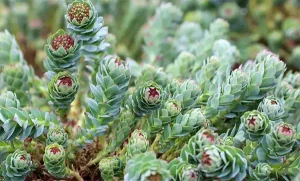
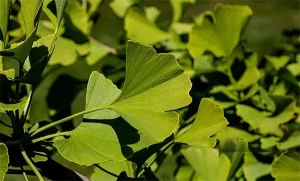
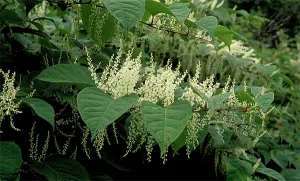
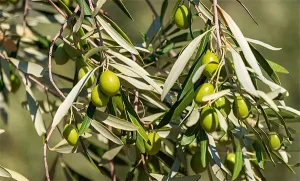
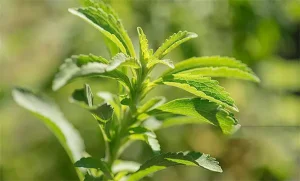
Parallel to this, our raw material planting and procurement system traces every batch back to its physical origin. In order to guarantee the highest purity of inputs, we collaborate directly with regional farmers to run specialized botanical bases: Ginkgo leaf bases, Epimedium bases, Phellodendron bases, and Olive leaf bases. Some of these plantations are managed in strict accordance with the Guidelines for Good Agricultural and Collection Practices (GACP).
Explore Planting Bases DataUniCare's industrial infrastructure combines advanced physical botanical extraction with modern enzymatic bioreactor systems, ensuring scalability and consistency.
Our centralized manufacturing plant is equipped to process 30,000 tons of raw materials annually, supported by two large-scale GMP workshops and six multi-functional extraction lines.
Every extraction and fermentation stage is monitored by a centralized DCS automatic control system, optimizing temperature, pH, pressure, and flow rates for uniform batch purity.
We operate six massive 20-ton fermentation tanks optimized for enzyme-modified bio-transformations, allowing us to supply large-scale global demands seamlessly.
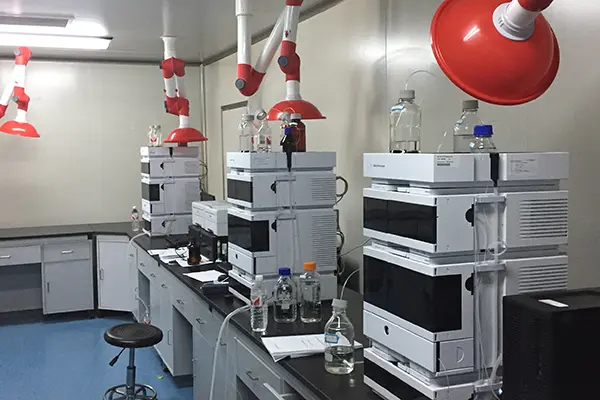
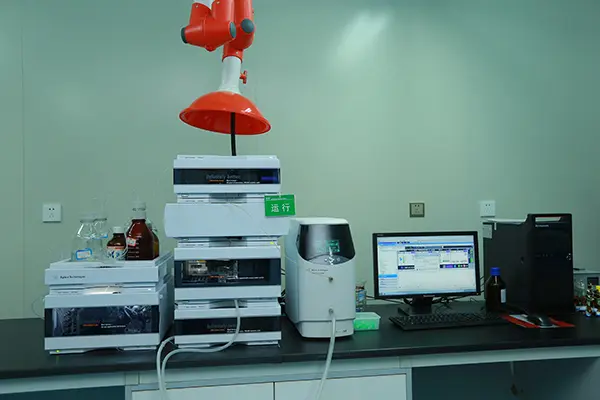
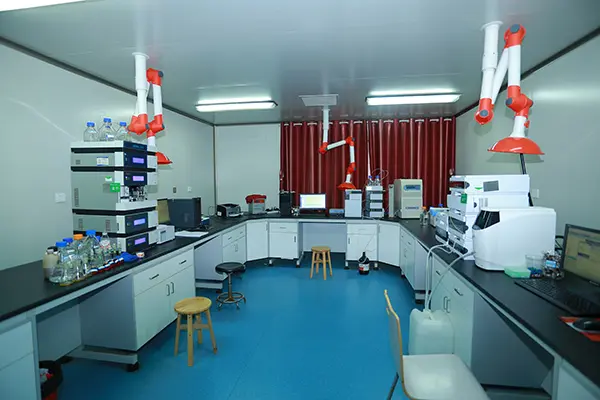
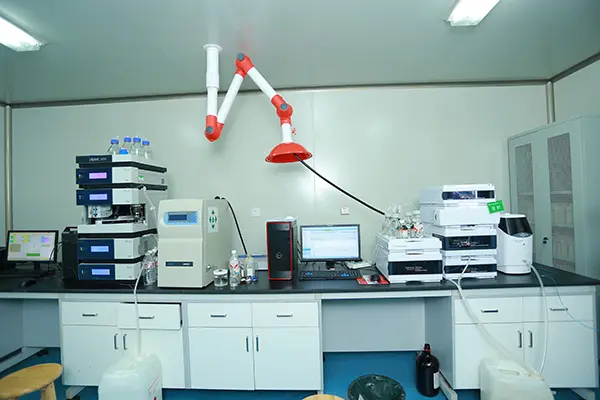
Our centralized testing laboratory occupies a major spatial footprint, utilizing advanced separation and identification instruments to run extensive validation protocols on every output batch.
Quality is the core pillar of UniCare's manufacturing operations. We have established a comprehensive and strictly monitored quality control system that dictates processing parameters from raw material arrival to final product packaging. Our analytical lab is equipped with advanced testing hardware to verify active content, residue limits, and stability profiles.
Our standard verification procedures cover a wide range of analytical parameters:
| Quality Control Items | Detailed Testing Parameters & Methodology |
|---|---|
| Active Ingredient Analysis | Assay testing, peak identification, isomer separation, and quantitative determination. |
| Hazardous Substance Analysis | Heavy metals profiling, multi-residue pesticide screening, residual solvent level analysis. |
| Microbe Analysis | Total viable aerobic count, Escherichia coli detection, Salmonella detection, yeast & mould validation, specific pathogen tests. |
| Raw Material Control | Pesticide residues, allergen screening, GMO identity testing, botanical species verification. |
| Laws & Regulations Confirmation | Regular review of pharmacopoeia updates and regulatory modifications in the EU, US, and China. |
| Stability Test | Long-term, accelerated, and intermediate stability testing to establish shelf-life parameters. |
| Others | pH value, moisture content, ash, optical rotation, particle size distribution, bulk & tapped density. |
| Key Analytical Instruments Inventory (CNAS Lab Area) | ||
|---|---|---|
| UHPLC, Agilent 1290 (×2) | HPLC, Agilent 1260 (×4) | HPLC, Shimadzu LC-20AT (×2) |
| ELSD, Shimadzu 2000ES (×2) | Shimadzu GC-2010 (×1) | Shimadzu AA-7000 Atomic Absorption (×1) |
| HPLC, Dionex Ultimate 3000 (×2) | ICP-MS Heavy Metal Detector (×1) | GC-MS-MS Triple Quadrupole System (×1) |
Providing custom physical properties, localized compliance support, and optimized supply chain stability for global enterprise-level buyers.
Our raw materials are optimized for solid dosage forms, including capsules, tablets, and powders. We offer custom particle size matching, high-density granulation, and low-hygroscopicity grades. This ensures seamless high-speed encapsulation and consistent tableting run-rates, minimizing downtime in formulation facilities.
For liquid applications, we supply highly soluble, clear-dissolving GABA grades. These are thermally stable and maintain their active profiles through HTST and UHT pasteurization processes. They also feature a neutral organoleptic profile, requiring minimal flavor masking in clean-label RTD beverages.
In topical formulations, GABA acts as an anti-aging agent and skin barrier stabilizer. We supply ultra-pure, low-heavy-metal grades that meet global cosmetic standards. These are compatible with common emulsion systems, helping to maintain formula viscosity and stability over shelf life.
Our future development is focused on improving the efficiency and sustainability of biological synthesis. Through our partnership with Beijing University of Chemical Technology, we are refining biosynthetic pathways using recombinant yeast strains and cell-free enzymatic synthesis. These processes aim to bypass traditional batch fermentation limits, increasing space-time yields while lowering raw material inputs.
We are also working to reduce carbon intensity across our production processes. By integrating solar energy into our extraction systems and utilizing recycled agricultural co-products as fermentation media, we aim to offer carbon-neutral active ingredients to support our global partners' corporate sustainability goals.
Additionally, we are expanding our agricultural partnerships. By cultivating high-content botanical varieties through marker-assisted selection, we continue to optimize raw material yields and control costs at the source.

Detailed answers to key technical, regulatory, and logistical questions for procurement teams.
Explore the remainder of our high-quality active ingredient portfolio, designed to meet the strict demands of global manufacturers.