Ensuring compliance, stability, and certified purity across all global formulations.
Analyzing the paradigm shift in consumer demand, industrial compliance, and formulation science.
The global halal food and beverage sector has moved beyond a niche religious market to become a fast-growing segment of the international functional ingredient industry. Estimated at over $2 trillion globally, the halal economy places strict criteria on manufacturing processes. Halal juice powders and plant extracts must adhere strictly to Islamic dietary laws, ensuring no cross-contamination with alcohol, swine derivatives, or non-halal processing aids during production, extraction, drying, and packaging phases.
Simultaneously, the global functional beverage market is demanding high-purity, clean-label raw materials. Food scientists face the challenge of formulating instant drinks, RTD mocktails, and nutritional supplements that satisfy both certified halal parameters and clean-label trends (non-GMO, zero synthetic preservatives, low hygroscopicity). Traditional liquid juices are logistically challenging to ship globally, susceptible to microbial spoilage, and limited in shelf-life. Spray-dried and freeze-dried juice powders have emerged as the standard resolution, offering shipping weight reduction, extended shelf stability, and preservation of active plant secondary metabolites.
Many plant extracts use organic solvent extraction. However, under standard Halal certification frameworks (such as JAKIM Malaysia, MUI Indonesia, or ESMA UAE), the residue level of ethanol in final ingredients must be strictly controlled, typically under 0.1% or 0.5% depending on the territory, and must not originate from alcoholic beverages. As an advanced supplier, UniCare utilizes high-tech gas chromatography (GC) to verify solvent residue margins, ensuring absolute compliance with global halal directives while maintaining the structural integrity of natural active components.
China has established itself as the center of global botanical extraction. By optimizing the supply chain from raw material cultivation to automated extraction lines, Chinese manufacturers provide high yields, purity, and competitive costs. UniCare works with top Chinese facilities that integrate complete quality management certifications, including GMP, EUGMP, CEP, ISO9001, ISO22000, and HACCP.
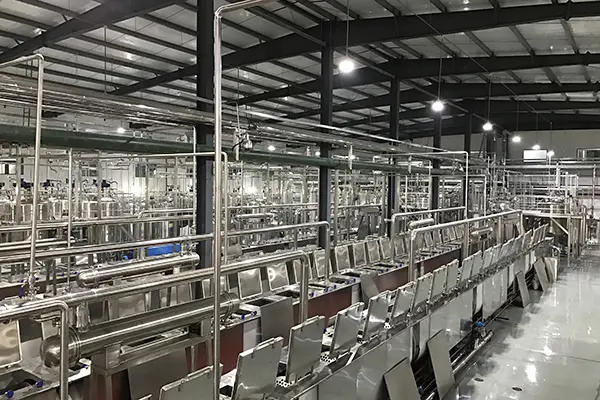
Our collaborative production systems utilize modern, automated extraction processes. The hardware includes three annular dynamic countercurrent extraction lines (10-ton and 15-ton capacity) and 32 multi-functional extraction tanks. This high level of automation keeps batch-to-batch variation minimal, which is key for food and pharmaceutical manufacturers worldwide who require consistent ingredient performance.
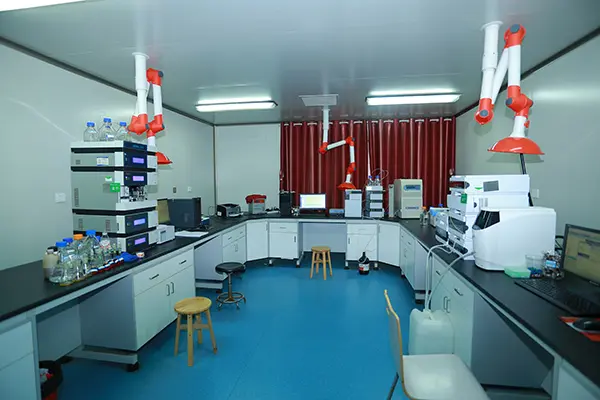
Operating a CNAS accredited central lab equipped with advanced analytical instrumentation.
Our operations follow GMP regulations. We manage critical quality control points (HACCP) to ensure our botanical extract and juice powder processing lines remain clean and free from cross-contamination.
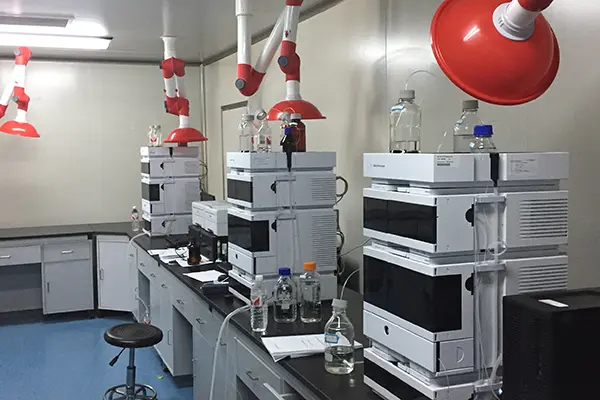
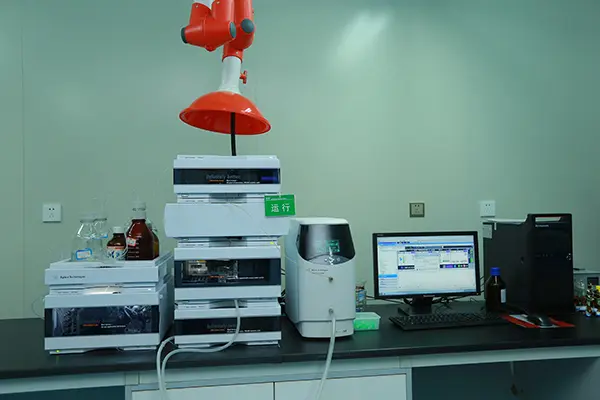
Our analytical setup includes two UHPLC Agilent 1290 systems, four Agilent 1260 HPLCs, Shimadzu LC-20AT systems, and Shimadzu GC-2010 gas chromatographs, allowing us to perform detailed assay and solvent residue testing.
We test for active ingredients, heavy metals (via ICP-MS), pesticide residues, microbial load, and physical properties (bulk density, particle size distribution, moisture levels) to ensure consistent quality.
| Testing Categories | Critical Quality Control Parameters & Methodology |
|---|---|
| Active Ingredient Analysis | Assay verification, botanical identification via HPLC, UHPLC, or UV-Vis. |
| Hazardous Substance Analysis | Heavy metals (Lead, Arsenic, Mercury, Cadmium, Copper) via ICP-MS, pesticide residues (GC-MS-MS), and organic solvent residues (GC). |
| Microbe Analysis | Total viable count, Escherichia coli, Salmonella, Yeast & Mold count, specific pathogen identification. |
| Raw Material Control | Verification of plant source origin, GMO-free status, allergen screening, and pesticide levels at the harvest phase. |
| Laws & Regulations | Regulatory alignment checking against EFSA, USFDA, JAKIM, and MUI standards. |
| Stability & Shelf Life | Controlled temperature and humidity chamber testing to verify ingredient shelf stability. |
| Physical Characteristics | Moisture, total ash, particle size, bulk density, pH value, and solubility limits. |
UniCare and its partners utilize advanced laboratory tools, such as the CNAS qualified central laboratory and key testing systems: two UHPLC Agilent 1290 systems, four Agilent 1260 HPLC systems, two Shimadzu LC-20AT systems, two HPLC Diane CU3000 systems, two Shimadzu ELSD 2000ES detectors, one Shimadzu GC-2010 gas chromatograph, and one Shimadzu AA-7000 atomic absorption system.
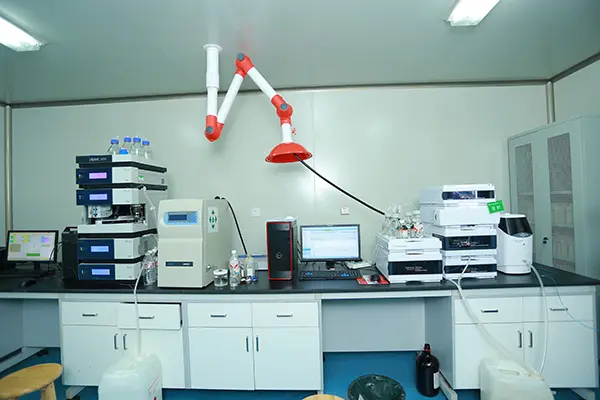
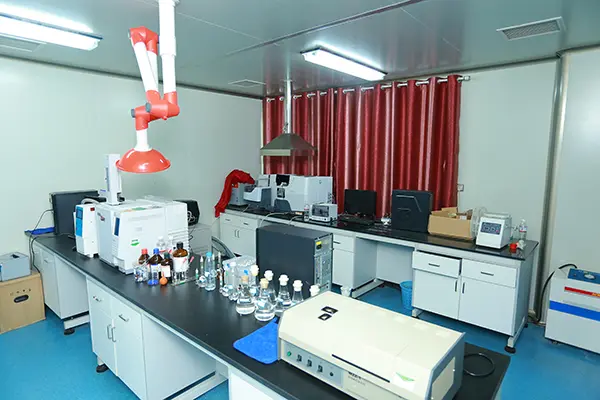


UniCare is a supplier of natural active ingredients, with products used in dietary supplements, functional foods, cosmetics, and pharmaceuticals. We work closely with several selected Chinese manufacturers that hold quality certifications including GMP, EUGMP, CEP, ISO9001, ISO22000, and HACCP. Each facility maintains testing capabilities and advanced analytical equipment to support consistent quality.
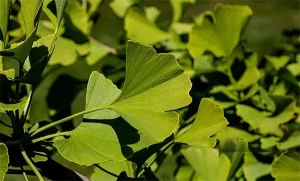
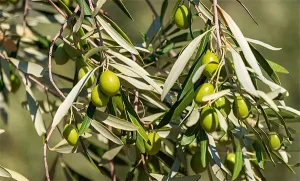
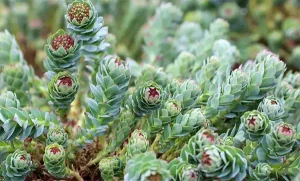
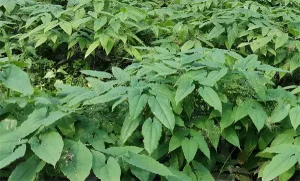
To maintain high quality, we operate a raw material procurement system that traces each batch back to its cultivation source. We work directly with farming cooperatives to run dedicated planting bases for ginkgo leaf, epimedium, phellodendron, and olive leaf. Some of these bases follow GACP (Good Agricultural and Collection Practices) guidelines. We also collaborate with agricultural research institutions to cultivate high-yield crop varieties that help lower production costs.
Contact Us for Wholesale QuotesUniCare reinvests 10% of its annual net profit into research and development. Along with improving our plant extraction methods, we have established an R&D department focused on natural fermentation products. Our goal is to leverage biochemical engineering to optimize traditional extract production methods.
Through our partnership with the Beijing University of Chemical Technology, we work on developing and scaling up fermentation technologies. This collaborative effort helps us bring new cosmetic and dietary raw materials from initial laboratory testing to full-scale commercial manufacturing.
We operate six 20-ton fermentation tanks dedicated to enzymatic and microbiological conversion. This allows us to modify raw active ingredients at the molecular level, helping to improve the bioavailability of components like flavonoids and glycosides.

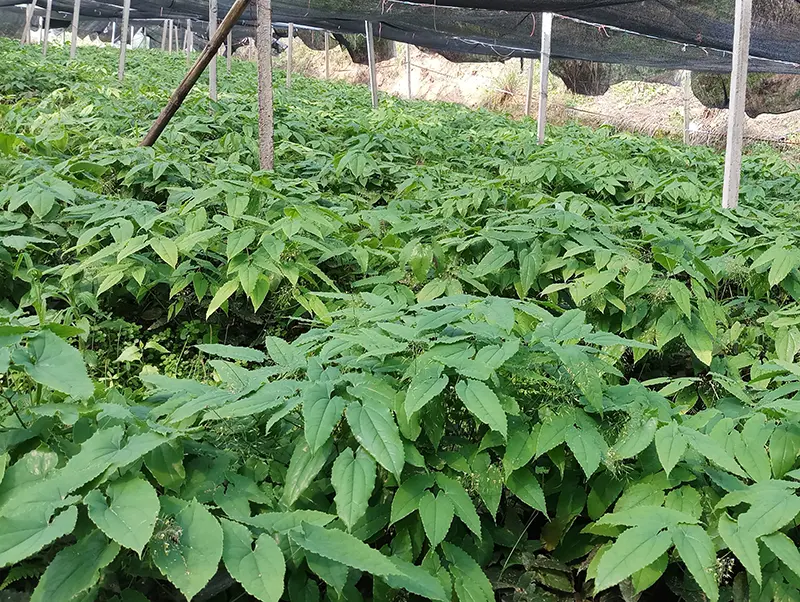
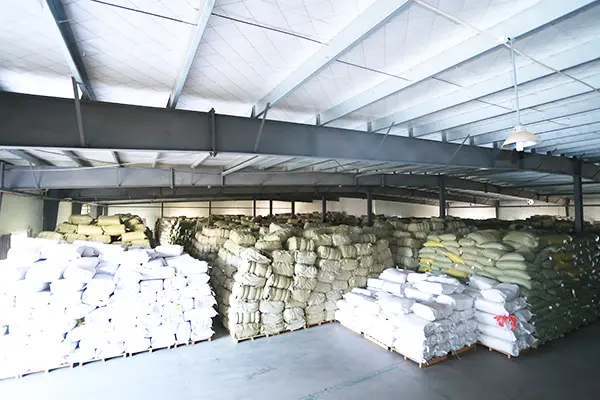
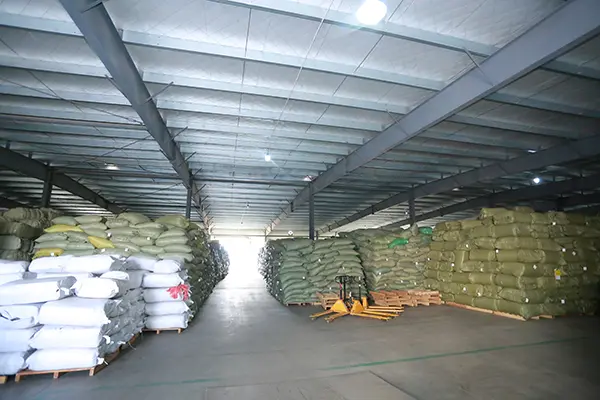
Ensuring steady supply through large-scale Chinese manufacturing facilities.
Annual processing capacity of raw plant biomass and botanical raw materials across our production networks.
Including three dynamic countercurrent extraction lines (10 & 15 tons) and two multi-functional extraction setups containing 32 tanks.
Dedicated processing lines certified to EU-GMP and CEP standards, including specialized Ginkgo Biloba extract systems.
Centralized PLC computer systems managing pressure, temperature, flow rates, and concentration steps to ensure batch consistency.
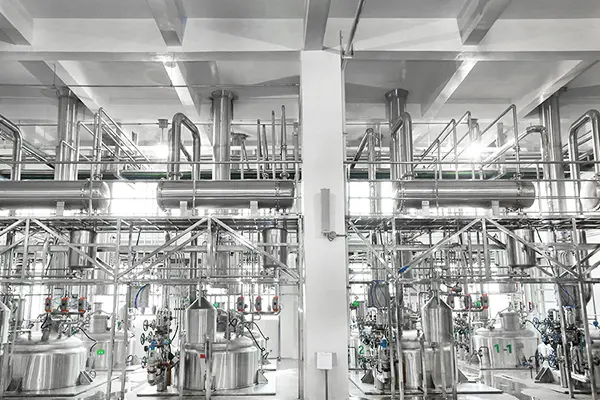
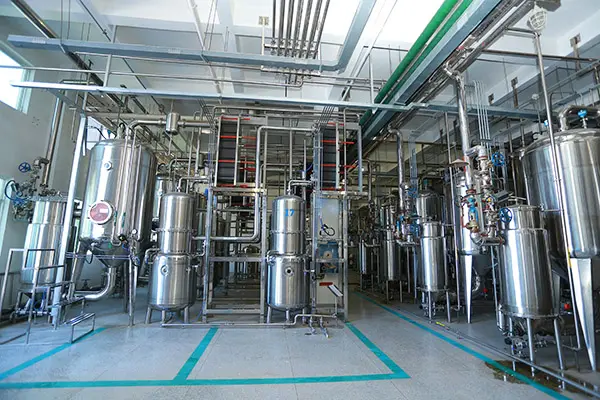
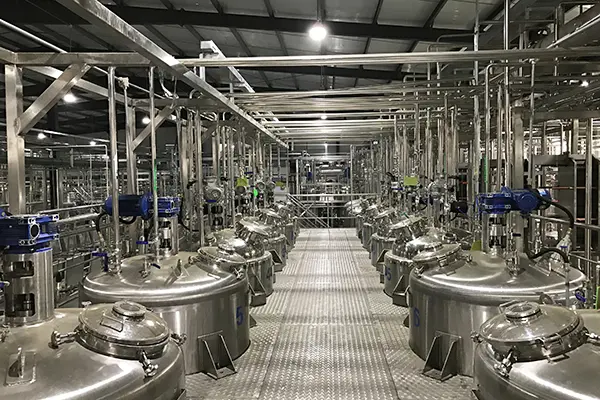
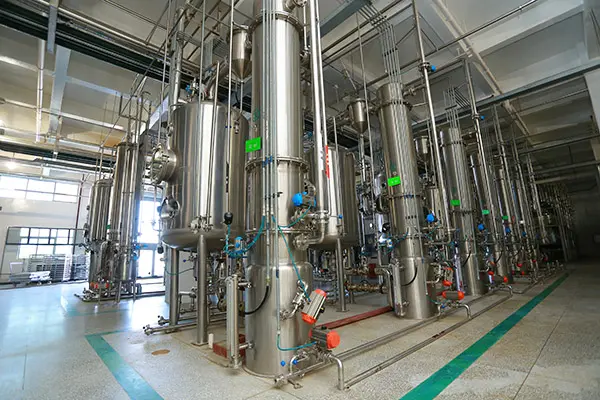
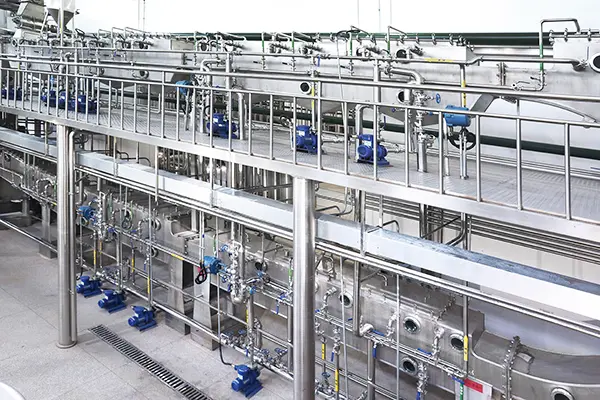
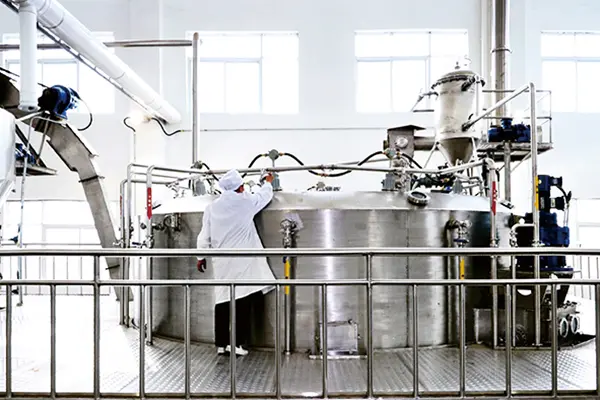
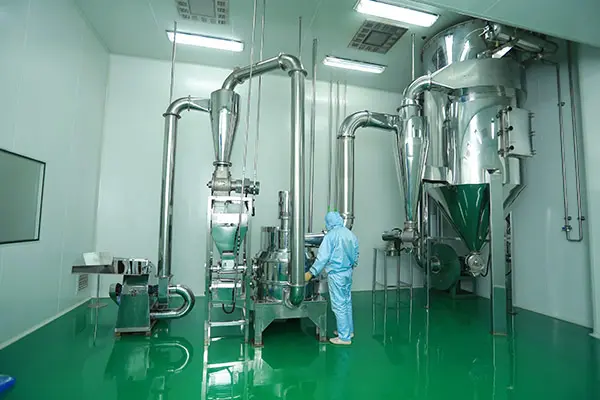
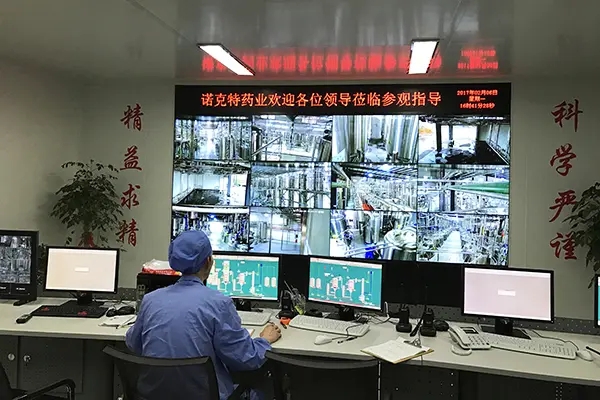
Four key principles that drive our R&D focus and production standards.




How global brands formulate using our certified botanical extracts and juice powder ingredients.
Used to formulate instant drink mixes, isotonic sports drinks, and energy packets. The quick solubility and stability under varied pH conditions make our juice powders suitable for ready-to-mix applications.
Commonly used in capsule and tablet formulations, as well as nutritional gummies. High concentration ratios help ensure consistent dosage of key compounds like polyphenols and flavonoids.
Incorporated into skincare formulations as natural colorants and antioxidant sources. We maintain strict control over heavy metals and microbiology to ensure compatibility with cosmetic safety standards.
Detailed technical and logistical answers for procurement managers and formulation chemists.
Maintaining analytical verification and strict batch control across our entire ingredient portfolio.