Wholesale NAD+: What Does It Do? Insights from a Premier Supplier & Exporter

Unlocking Cellular Energy Pathways and Anti-Aging Formulations with Pharmaceutical-Grade Nicotinamide Adenine Dinucleotide

What Does NAD+ Do? The Biochemical Foundation of Cellular Longevity

A Comprehensive Scientific Analysis for Professional Formulators, Supplement Brands, and Pharmaceutical Procurement Officers

The Intracellular Mechanism of Nicotinamide Adenine Dinucleotide (NAD+)

Nicotinamide Adenine Dinucleotide (NAD+) is a fundamental coenzyme present in all living cells. It exists in two states: oxidized (NAD+) and reduced (NADH). As a central driver of electron transport in mitochondrial respiration, the NAD+/NADH ratio dictates cellular metabolism kinetics. Beyond its canonical role in redox biochemistry, NAD+ is consumed as a co-substrate by enzymes regulating key survival mechanisms:

  • Sirtuins (SIRT1-SIRT7): NAD+-dependent deacetylases that govern epigenetic silencing, chromatin structure, DNA repair, and systemic metabolic homeostasis.
  • PARPs (Poly ADP-Ribose Polymerases): Enzymes critical for genomic stability, executing single-strand DNA break repairs in response to cellular and environmental oxidative stress.
  • CD38 & CD157: Ectoenzymes that regulate calcium signaling, immune cell activation, and systemic metabolic responses.

Mitochondrial Energy Activation

NAD+ facilitates the transfer of high-energy electrons within the mitochondrial inner membrane, driving ATP synthesis via oxidative phosphorylation. Boosting NAD+ directly restores mitochondrial bioenergetics.

🧬

DNA Repair & Genomic Stability

By fueling PARP enzymes, NAD+ enables immediate response pathways to repair damaged DNA sequences, protecting cell lines from mutations, senescence, and programmatic cell death.

Epigenetic Aging Reversal

Sirtuin activation, mediated strictly by NAD+ availability, leads to deacetylation of histones and non-histone proteins, downregulating genes associated with cellular senescence and inflammatory pathways.

Technical Roadmap & Future Outlook of NAD+ Synthesis

Transitioning from Conventional Extraction to Biosynthetic Optimization and Dual-Enzyme Cascade Synthesis

The industrial manufacturing of NAD+ is undergoing a paradigm shift. Historically, chemical synthesis pathways generated unwanted isomeric impurities (e.g., alpha-NAD+), limiting bio-activity and introducing purification bottlenecks.

UniCare's Next-Generation Biocatalysis: We employ a dual-enzyme cascade synthesis platform that mimics the natural salvage pathway. By using immobilized enzymes on nano-carriers, we achieve a highly efficient transformation of Nicotinamide Mononucleotide (NMN) and ATP into biological beta-NAD+ (purity ≥99.5%).

This green chemistry path reduces organic solvent consumption by 90% and ensures that the final crystal forms match the natural molecular geometry, optimizing absorption and safety profiles in finished oral and topical applications.

R&D Pipeline & Horizon 2026

  • Crystalline Form Optimization: Engineering high-density, low-hygroscopicity crystal structures of NAD+ to extend stability under variable room temperature conditions (25°C, 60% RH).
  • Synergistic Formulations: Developing ready-to-fill co-crystals combining NAD+ with stabilized Resveratrol and Quercetin to maximize intracellular Sirtuin pathway activation.
  • Biodegradable Nanosphere Encapsulation: Developing liposomal-grade NAD+ powders for advanced skin creams and high-absorption dietary supplement capsules.

ABOUT US

UniCare: Your Trusted Global Partner for Highly Active Natural Ingredients

UniCare Office Facility
UniCare is a professional supplier of natural active ingredients. Our products are widely used in various fields such as dietary supplement, food, cosmetics and pharmaceuticals. We focus on product development and quality stability, and insist on growing together with our customers around the world.
UniCare has deep cooperation with several excellent Chinese manufacturers who have complete quality management system certifications, including but not limited to GMP, EUGMP, CEP, ISO9001, ISO22000, and HACCP. Each factory has independent testing capabilities and is equipped with advanced and efficient testing equipment to ensure the high quality and long-term stability of each batch of products.

Company Philosophy

Pioneering the Future of Natural Health Products Through Ethical Innovation

Discover and create the new value of herb

Discover & Create New Value

Uncovering the hidden molecular potential of organic botanicals and bio-enzymatic processes to serve global health.

Continuous innovation and improvement

Continuous Innovation

Iterating biological processes and purification stages to achieve peak physiological efficacy and yield consistency.

With the most advanced technology to produce the highest quality products

Advanced Quality Standards

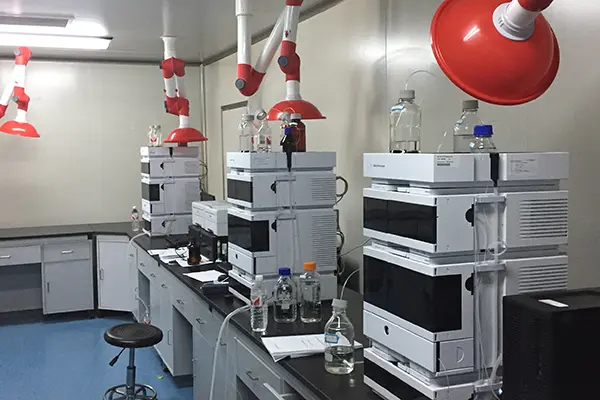
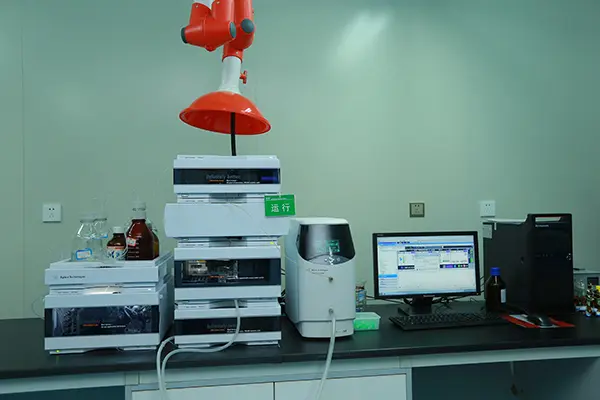
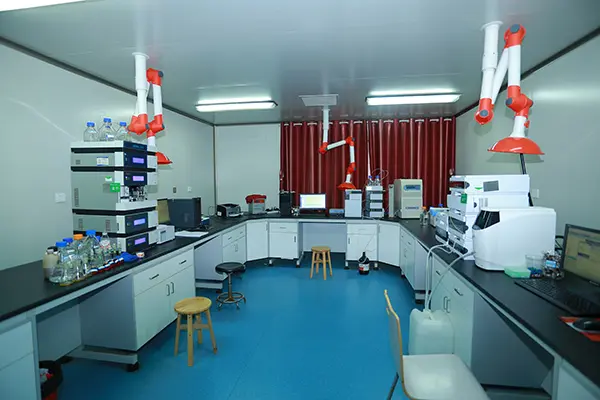
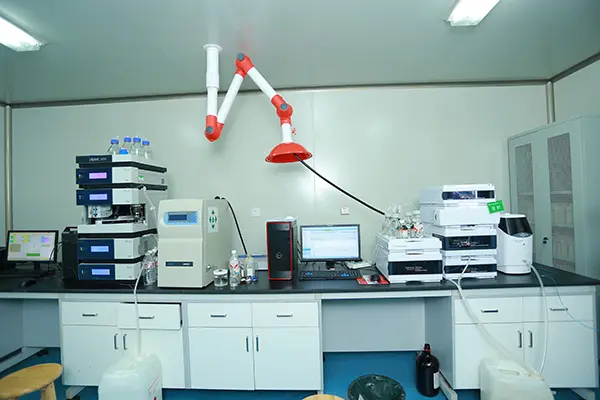
Leveraging high-precision UHPLC, GC-MS, and ICP-MS systems to guarantee purity and batch reliability.

Make the employees happy and give back to the community

Social Responsibility

Creating a thriving work environment while investing in sustainable crop sourcing and community welfare.

Production System: China Factory 4.0

Supply Chain Resilience, Scale-Up Processing, and Automated Control Systems

Advanced Extraction Plant

Why Choose Us?

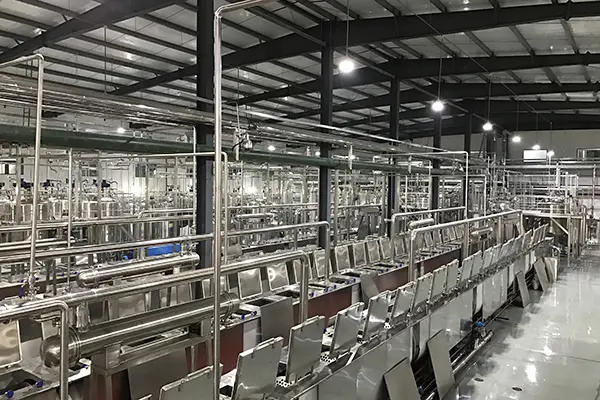
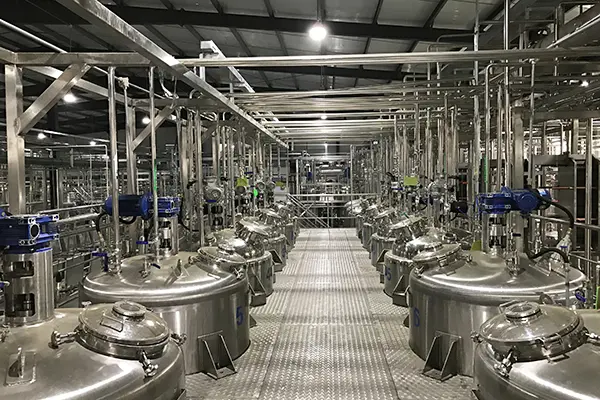
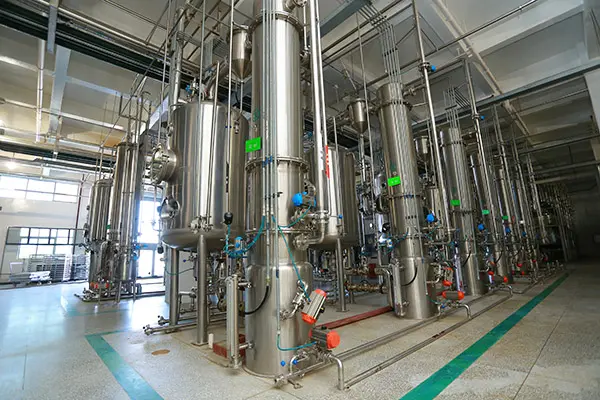
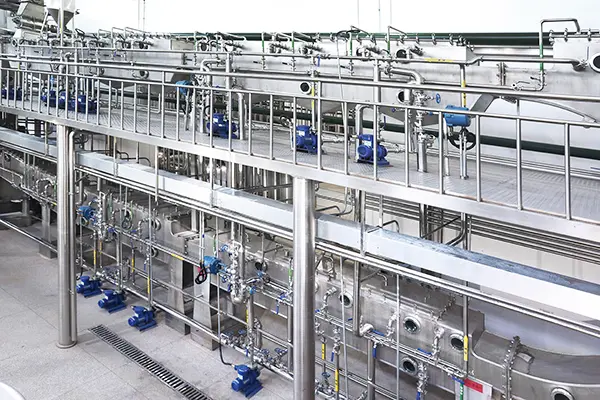
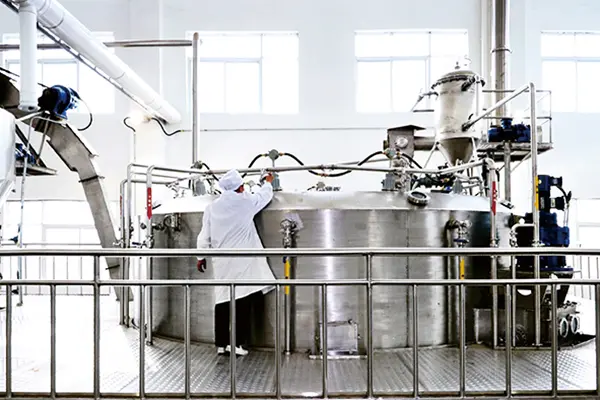
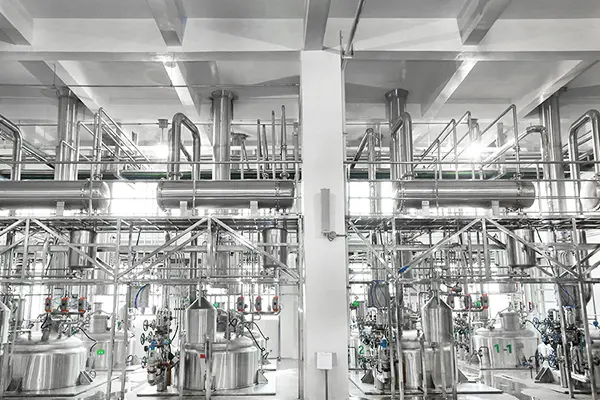
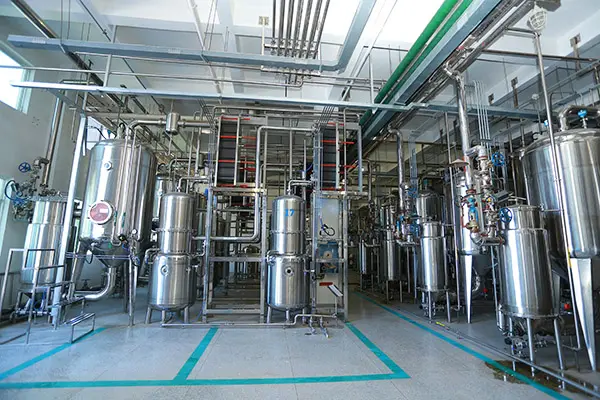
UniCare attaches great importance to the hardware conditions of production equipment and has the largest and most advanced extraction factory in China. The entire production line in UniCare is controlled by a modern, intelligent, automatic control system.

Until now, UniCare has built up two GMP workshops, containing six multi-functional extraction lines, among which there is the only production line for Ginkgo Biloba Extract of acetone process in the whole China. Here are several other production lines including fermentation production lines and Chinese medicine pieces. A total of 30,000 tons of various Chinese medicine plant raw materials can be processed each year.

GMP Certification

GMP Certification

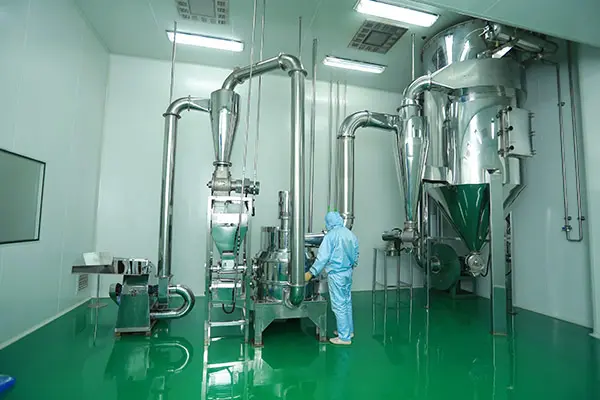
Our processing site has officially passed China GMP certification standards, ensuring consistent sterile execution protocols.

EU-GMP & CEP

EU-GMP & CEP

Our Ginkgo Biloba Extract production has been fully certified by EU-GMP and CEP, satisfying rigorous European drug regulations.

Automated Control

Automated Control

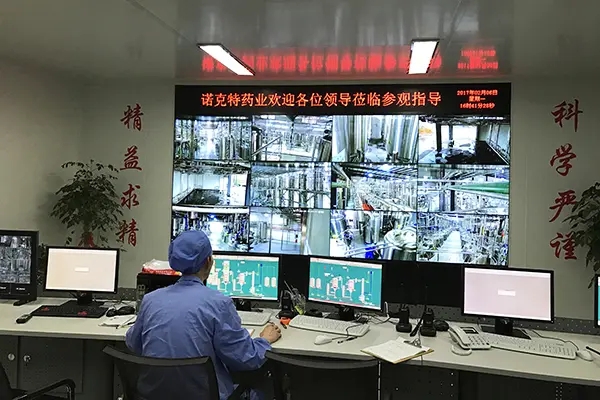
All extraction production lines adopt modern, intelligent and automated control systems to prevent human error.

Advanced Equipment

State-of-the-Art Extraction

We host the most advanced large-scale extraction, concentration, and crystallization machinery currently operating in China.

Processing Capacity

30,000 Tons Processing

Annual processing capabilities exceed 30,000 metric tons of botanical raw substances, stabilizing long-term client order pipelines.

Six Production Lines

6 Specialized Lines

Featuring 3 annular dynamic countercurrent extraction lines (10T & 15T) and 2 multi-functional extraction setups containing 32 vessels.

Acetone Process Line

Acetone Process Line

We own the only acetone extraction line for Ginkgo Biloba Extract in China that fully conforms to EU GMP specifications.

Fermentation Capacity

Fermentation Lines

Equipped with six 20-ton fermentation bioreactors dedicated to enzymatically modified nutritional and chemical compounds.

30K+ Tons Raw Material/Year
6+ Extraction Lines
99.5% Average Product Purity
100% Traceable Sourcing

Quality Control & Laboratory Infrastructure

Rigorous Standardization to Guarantee the Safety, Potency, and Regulatory Alignment of Every Batch

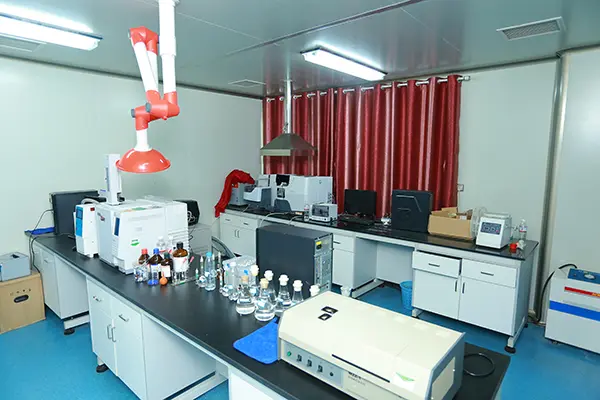
United New Life (UniCare) has established a leading and complete quality control system, and strictly controls the high quality of products in accordance with the quality system. With advanced testing instruments and strict control of product quality, we provide every customer with high quality products.
Detectable items include: Signature active components (HPLC, UHPLC, or UV-Vis), organic solvent residues (GC), pesticide residues (multi-residue organochlorine and organophosphorus screenings via GC-MS-MS), heavy metal contaminants (lead, arsenic, mercury, cadmium, copper analyzed by ICP-MS), microscopic botanical identification, moisture levels, loss on drying, ash content, microbial limits (yeast, mold, Salmonella, E. Coli), thin layer chromatography (TLC), conductivity, pH values, and sulfur dioxide residue.
Quality Control Domain Analyses & Specifications Performed
Active Ingredient Analysis Assay testing, molecular identification, isomer ratios validation (beta vs alpha forms)
Hazardous Substance Analysis Trace heavy metals, residual solvents (Class I, II, III), pesticide residue profiling
Microbe Analysis Total aerobic microbial count (TAMC), Yeast & mold (TYMC), pathogens screening
Raw Material Control GACP compliance audit, GMO verification, geographical origin documentation
Laws & Regulations Confirmation Continuous regulatory compliance updates matching EU, US FDA, and China standardizations
Stability Testing Real-time and accelerated stability studies in compliance with ICH climate zone directives
Physical/Chemical Parameters pH range, moisture analysis, ash validation, optical rotation, bulk density, mesh particle size

Analytical Instrument Matrix

Our central analytics department spans standard testing zones and an advanced instrumentation room, utilizing high-precision equipment:

Instrument Class Manufacturer & Model Quantity Analytical Target Application
UHPLC (Ultra-High Performance Liquid Chromatography) Agilent 1290 Series 2 Units High-throughput quantification of chemical markers and micro-impurities
HPLC (High Performance Liquid Chromatography) Agilent 1260 Series 4 Units Routine assay standardization of active ingredients and raw materials
HPLC Shimadzu LC-20AT 2 Units Chromatographic peak identification and verification runs
HPLC Dionex U3000 2 Units Gradient solvent separation and purity verification assays
ELSD (Evaporative Light Scattering Detector) Shimadzu 2000ES 2 Units Non-UV absorbing molecules quantification (sugars, lipids)
GC (Gas Chromatography) Shimadzu GC-2010 1 Unit Organic residual solvents determination and VOC tracking
AAS (Atomic Absorption Spectrometry) Shimadzu AA-7000 1 Unit Trace heavy metal analysis (Lead, Arsenic, Cadmium, Mercury)

R&D Partnerships & Raw Material Sourcing

Integrating Academy-Industry Research with Global Agricultural and Collection Practices (GACP)

R&D Department

Collaborative R&D

UniCare invests 10% of our annual net profit in research and development. In addition to optimizing and developing the existing natural plant extraction process, we have established a professional R&D department for natural fermentation products. By increasing investment in natural fermentation products, we aim to break through traditional processes and disrupt industry development.

We maintain deep cooperation with Beijing University of Chemical Technology in the fermentation field, jointly developing and transforming new raw materials of pharmaceutical, cosmetic, and natural health products into mass-produced products.

Planting Base

Raw Material Sourcing

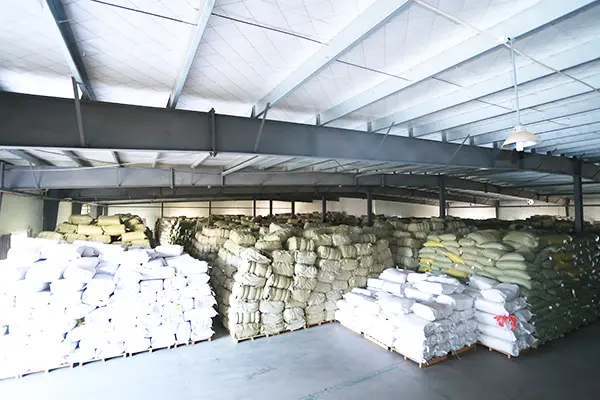
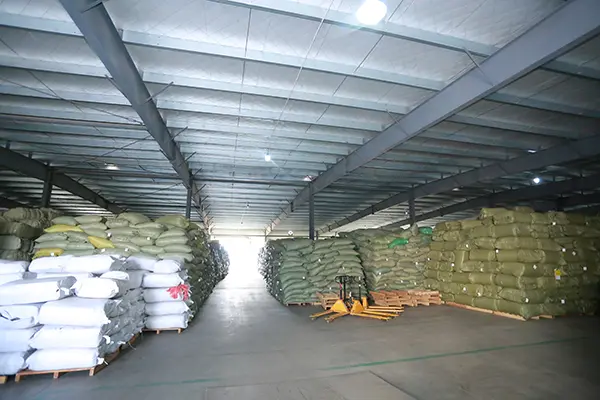
In order to control raw materials more efficiently and with higher quality, a raw material procurement system has been established, which extends procurement to every piece of planting land and can trace the raw materials of each batch of products. The storage of raw materials is operated according to the advanced quality management system process, and the content of active ingredients, moisture, ash, heavy metals, pesticide residues and other items of raw materials are strictly controlled.

GACP Cultivation Bases

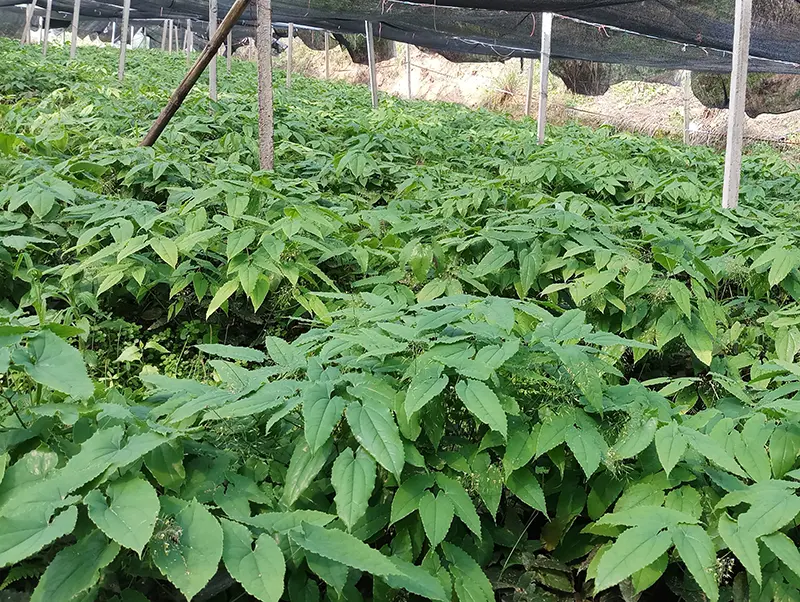
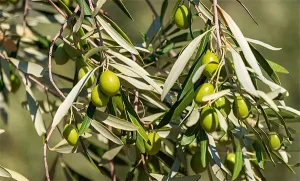
To ensure the quality of key products, UniCare cooperates with growers to establish dedicated ginkgo leaf, epimedium, phellodendron, and olive leaf planting bases.

Some of these bases are managed strictly in accordance with the GACP model. In addition, we cooperate with seedling R&D companies to cultivate high-yield strains through hybridization or gene optimization, systematically lowering unit costs to benefit our global clients.

GACP Slide 1 GACP Slide 2 GACP Slide 3 GACP Slide 4

Macro Industry Solutions & Localization Support

Solving Supply Chain Challenges for Mid-to-Large Scale Nutraceutical & Cosmetic Enterprises

🌐

Global Compliance & Customs Clearance

Navigating international regulatory frameworks is critical. UniCare provides complete registration dossiers, including SDS, COA, BSE/TSE statements, Allergen statements, and customs declaration logs, ensuring seamless entry into EU, NA, and APAC markets.

📦

Inventory Buffering & Contract Manufacturing

To prevent raw material shortages, we offer dedicated client storage options and flexible supply contracts. Our capabilities support custom mesh sizes, bulk drum configurations (25kg standard), and private labeling options.

🧪

Custom Compound Formulation Development

Our laboratory works with you to formulate synergistic active ingredient blends, adjusting solubility metrics for liquid shots, dry tablets, standard capsules, sublingual lozenges, and targeted cosmetic serums.

Frequently Asked Questions: Wholesale NAD+ & Sourcing

Clear, Authoritative Answers Regarding Efficacy, Formulations, Quality Control, and Supply Chain Operations
Q1: What does NAD+ do inside the human body?
NAD+ serves as a vital coenzyme for cellular respiration, transferring electrons in the mitochondria to generate ATP (adenosine triphosphate). It is also the necessary co-substrate consumed by Sirtuins (longevity genes) and PARPs (DNA repair enzymes). Without adequate NAD+ levels, cellular metabolism slows down, genomic errors accumulate, and cells enter senescence prematurely.
Q2: What is the differences between sourcing NAD+, NMN, and NR?
NAD+ is the final bioactive coenzyme, while Nicotinamide Mononucleotide (NMN) and Nicotinamide Riboside (NR) are precursors. In oral dietary supplements, precursors are often preferred due to historical molecular stability advantages. However, for specialized intravenous (IV) solutions, topical skin cosmetics, and sublingual formulations, pure NAD+ is frequently requested to deliver the coenzyme directly to the target tissue without precursor conversion steps.
Q3: How does UniCare ensure the stability of wholesale NAD+ powder?
NAD+ is inherently sensitive to heat and moisture. UniCare manages this through a patented crystallization process that yields a low-hygroscopicity crystal form. We package the material in vacuum-sealed double-bag food-grade liners inside fiber drums, recommending storage at cold temperatures (-20°C or 2-8°C depending on shelf-life targets) to maintain a purity level ≥99% over two years.
Q4: What certifications does your factory hold for international exports?
Our strategic manufacturing facilities hold ISO9001, ISO22000, HACCP, GMP, EU-GMP, and CEP certifications. We supply full testing documentation with every batch, ensuring compliance with the European Pharmacopoeia (EP) and United States Pharmacopeia (USP) standards.

Our Visual Factory Assets & Product Gallery