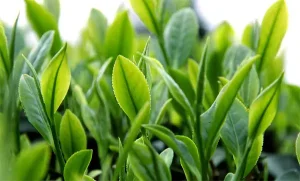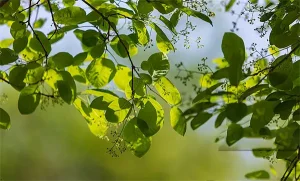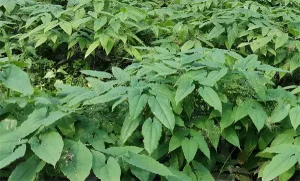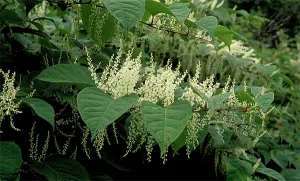
Highly standardized phyto-actives processed under strict GMP criteria for functional food, dietary supplements, and nutraceutical industries.
Understanding the supply economics, botanical origins, and international regulatory shifts for Rutin.
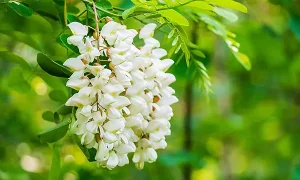
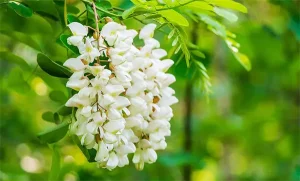
Rutin (quercetin-3-rutinoside), a widely distributed polyphenolic bioflavonoid, has captured substantial commercial attention globally due to its exceptional antioxidant, anti-inflammatory, and vasoactive properties. Derived predominantly from the dried flower buds of Sophora japonica L. (also known as the Chinese scholar tree) and buckwheat (Fagopyrum esculentum), Rutin acts as a pivotal raw material not only for therapeutic formulations but also as a building block for advanced molecular compounds like Troxerutin, Quercetin, and L-rhamnose. Over the last decade, China has established itself as the global epicenter for Rutin manufacturing, supplying over 85% of the global demand, driven by abundant crop cultivation in regions like Shaanxi, Shanxi, and Henan, coupled with highly optimized large-scale extraction infrastructures.
In terms of consumption dynamics, Europe and North America remain the primary importing regions. The rising consumer demand for clean-label, plant-derived cardiovascular health formulations has directly pushed European and American dietary supplement brands to secure reliable bulk supply partnerships. Furthermore, strict requirements implemented by the European Directorate for the Quality of Medicines & HealthCare (EDQM) and the United States Pharmacopeia (USP) have elevated the threshold for entry, necessitating that premium Rutin manufacturers align with international monographs, control elemental impurities (ICP-MS), limit residual solvents, and ensure 100% botanical traceability.
By managing extensive domestic raw material sourcing contracts, UniCare mitigates raw agricultural price volatility, offering stable global pricing contracts to multinational buyers.
We manufacture Rutin in strict alignment with EP, USP, and ChP monographs, supporting client registrations with comprehensive DMF documentation and heavy metal testing profiles.
Our extraction facilities offer bespoke solutions, including custom particle mesh sizes (milled, micronized), density adjustments, and high-solubility granular formats for diverse capsule and tablet requirements.
Innovating Phyto-extraction and Formulation Performance for Next-Generation Bioflavonoids.
The contemporary phyto-extraction industry is experiencing a paradigm shift towards environmental, social, and governance (ESG) compliance, eco-friendly solvents, and advanced process analytical technology (PAT). Historically, the extraction of Rutin relied heavily on hot water or alcohol-based reflux processes. Modern manufacturing setups, however, are shifting towards green enzyme-assisted extractions, subcritical water extraction (SWE), and membrane filtration techniques. These techniques allow manufacturers to achieve higher extraction yields, significantly reduce water usage, and eliminate environmental toxic waste streams.
Another prominent market driver is the development of modified Rutin derivatives. Rutin’s low water solubility restricts its absorption rate in the human digestive system, limiting its efficacy in functional drinks and cosmetic formulations. The technological roadmap focuses heavily on enzymatic glycosylation to produce highly water-soluble alpha-glycosylrutin (AG-Rutin), and chemical modification into Troxerutin for target-specific pharmaceutical applications. As a forward-thinking exporter, UniCare integrates these structural innovations to cater to high-end cosmetic formulations and quick-dissolving effervescent tablet segments.
Utilizing biocatalytic methods to optimize natural structures, improving bio-accessibility and stability within liquid formulations.
Transitioning processing systems to food-grade ethanol and purified water loops, ensuring zero toxic residues (Class 1 & 2 solvents).
Advanced mechanical jet milling processes to lower the particle size D90 down to less than 10 microns for superior formulation dispersion.
Re-utilizing Sophora Japonica biomass waste residues into organic fertilizers and bio-energy sources to achieve carbon-neutral production goals.
Annual Raw Material Processing Capacity
Net Profits Invested in R&D Annually
Multifunctional Extraction Lines
Qualified Central Laboratory Standards
Your Premier Global Supplier of Natural Active Ingredients

UniCare is a highly specialized professional supplier of natural active ingredients. Our premium phytomolecule extracts are widely utilized across dietary supplements, functional foods, cosmetic formulations, and pharmaceutical industries worldwide. We concentrate heavily on product research, process development, and quality consistency, ensuring sustainable growth alongside our global customers.
UniCare maintains strategic, deep partnerships with several elite Chinese manufacturers who maintain complete, audited quality management systems. These certifications include but are not limited to GMP, EU-GMP, CEP, ISO9001, ISO22000, and HACCP. Each partner factory possesses independent testing capabilities and is fully equipped with highly advanced, efficient analytical instrumentation to verify the potency and long-term stability of every single production batch.
Why Industrial Buyers Choose UniCare for Large-Scale Phyto-Extraction
At UniCare, we attach paramount importance to the hardware specifications of our production equipment. We utilize the largest and most advanced extraction facility networks in China. The entire manufacturing process within our production lines is governed by modern, intelligent, and automated control systems (DCS/SCADA), guaranteeing batch-to-batch repeatability and mitigating human error risks.
To date, our facilities contain two high-standard GMP workshops and six multi-functional industrial extraction lines. Among them, we operate the only production line for Ginkgo Biloba Extract via the acetone process in the whole of China that meets the strict EU GMP standards. With an annual capacity processing 30,000 tons of botanical raw materials, our infrastructure is engineered to absorb massive wholesale orders seamlessly.

Our production facilities have successfully passed the national China GMP certification, implementing strict hygiene and sanitary controls.

The EU-GMP and CEP certifications of our Ginkgo Biloba Extract ensure compliance with global high-end regulatory requirements.

All plant extraction operations run on fully automated control architectures, monitoring temperature, pressure, flow rate, and time parameters.

Equipped with the most sophisticated phytomolecule separation and extraction machinery across the Chinese botanical industry.

Able to process 30,000 tons of Chinese medicinal herbs and plant raw materials each year to sustain supply chain continuity.

Features 3 annular dynamic countercurrent extraction lines (10T & 15T), 2 multi-functional extraction lines (32 x 6m³ tanks), and 1 round dynamic line (10T).

Operates the sole acetone-process extraction line for Ginkgo Biloba Extract in China that fully complies with EU-GMP guidelines.
Owns 6 industrial fermentation tanks (each boasting a 20-ton volumetric capacity) specifically dedicated to producing high-value enzyme-modified active botanicals.
State-of-the-Art Laboratory Testing for Total Batch Traceability
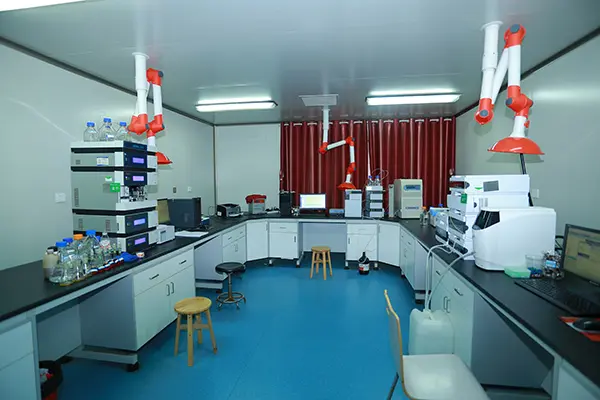
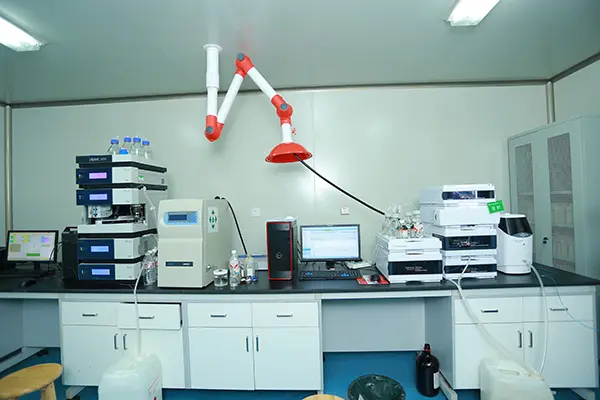
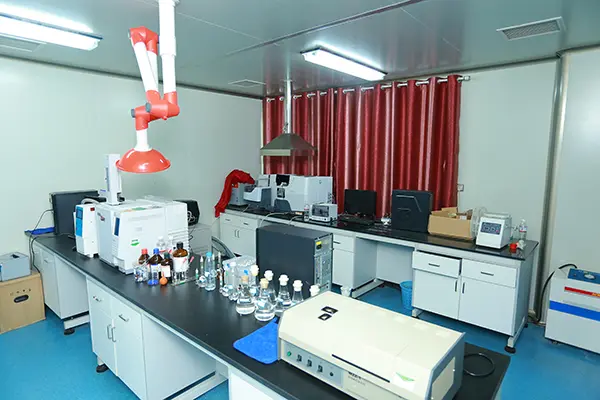
UniCare has established a leading and complete quality control system, and strictly controls the high quality of products in accordance with international regulatory guidelines. Supported by advanced testing instruments, we perform exhaustive analysis on each batch. Detectable items include: signature component detection (HPLC or UV), solvent residues (GC), pesticide residues (organochlorine detection GC-MS-MS), heavy metals (lead, arsenic, mercury, cadmium, copper by ICP-MS), microscopic identification, moisture, dry weight loss, ash, microbial limits, thin layer identification (TLC), weighing, conductivity, pH, and sulfur dioxide residue.
| Quality Control Segment | Critical Analytes & Testing Methods |
|---|---|
| Active Ingredient Analysis | Assay, identification, chromatography profile (HPLC, UHPLC, UV-Vis) |
| Hazardous Substance Analysis | Heavy metals (ICP-MS), pesticide residue (GC-MS-MS), solvent residue (GC-Headspace) |
| Microbial Analysis | Total plate count, Yeast & Mould, Escherichia coli, Salmonella, specific microbial limit tests |
| Raw Material Control | Identification check, GMO verification, pesticide residues, allergen origin screening |
| Laws & Regulations Confirmation | Exhaustive monitoring of food and supplement laws in China, the EU, US, and target countries |
| Stability & Physical Properties | Accelerated and long-term stability testing, particle size, bulk/tapped density, pH, moisture, ash |
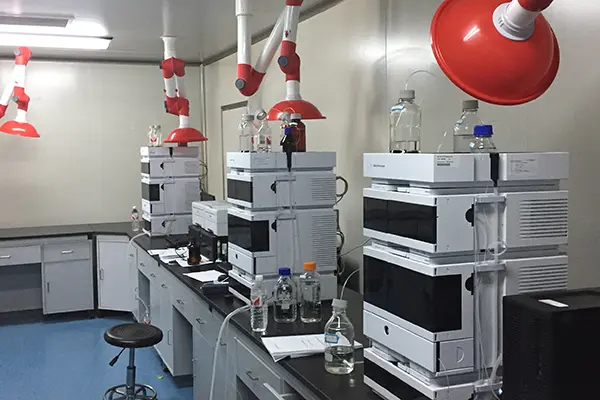
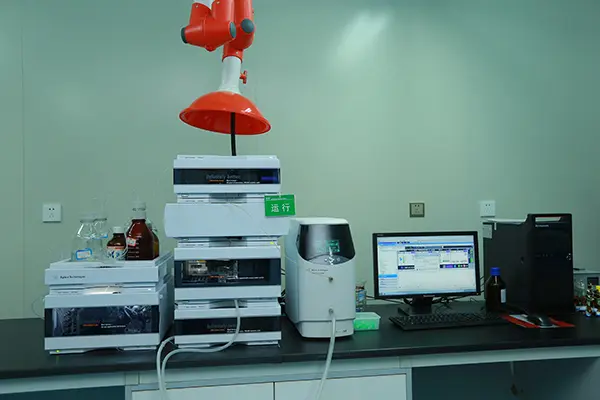
Our centralized testing laboratory occupies a major space footprint and is fully qualified by CNAS standards. It features high-precision analytical equipment, including two UHPLC Agilent 1290 ultra-high performance liquid chromatographs, four HPLC Agilent 1260 systems, two HPLC Shimadzu LC-20AT systems, two HPLC Dionex CU3000, two Shimadzu evaporative light scattering detectors (ELSD 2000ES), one Shimadzu GC-2010 gas chromatograph, and one Shimadzu AA-7000 atomic absorption spectrometer.
Bridging Scientific Innovation with Agricultural Quality Control
UniCare reinvests 10% of our annual net profit in research and development. Beyond optimization of traditional botanical extraction steps, we operate a dedicated R&D division for natural fermentation. We aim to break through old processing boundaries and drive industry advancement. We maintain deep cooperation with the Beijing University of Chemical Technology in the biotechnology space, jointly scaling laboratory breakthroughs in cosmetic and pharmaceutical ingredients to commercial production volumes.
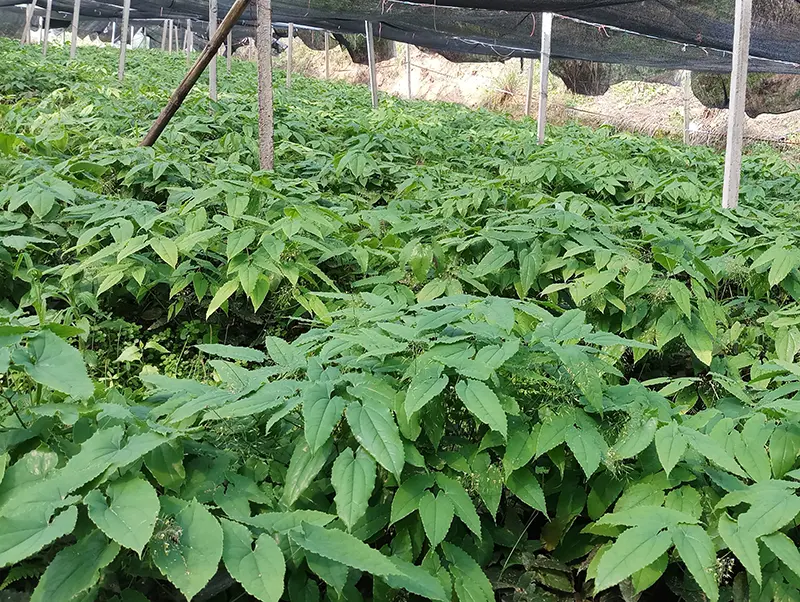
To control raw material chemistry profiles, we trace every lot to its specific harvesting plots. Incoming crops are evaluated for active content, moisture, ash, heavy metals, and pesticides. UniCare partners with growers to establish dedicated ginkgo leaf, epimedium, phellodendron, and olive leaf planting bases. Many operate strictly under the GACP management model. Through collaboration with breeding researchers, we work to cultivate elite plant varieties via selective hybridization to reduce raw material costs and optimize target yields.
Providing Target Industries with Compliant Phyto-Chemical Solutions
Rutin is widely formulated in dietary supplements to support capillary health, improve venous tone, and reduce edema. Typically blended with Vitamin C, Citrus Bioflavonoids, or horse chestnut extracts for cardiovascular wellness tablets.
As a powerful natural antioxidant, Rutin helps protect skin cells from UV-induced oxidative stress, strengthens capillary walls to soothe redness, and prevents collagen degradation in anti-aging creams.
Bulk Rutin acts as the precursor to synthesize Troxerutin (venotoner agent) and semi-synthetic Quercetin derivatives, serving global pharmaceutical manufacturing sites with high purity requirements.
Technical Answers for Procurement Managers and QA Specialists
Our industrial-grade Rutin is primarily extracted from the dried flower buds of Sophora japonica L. (Flos Sophora), which yields high concentrations of active bioflavonoids, ensuring excellent purity and quality consistency.
We manufacture and supply Rutin complying with the latest European Pharmacopoeia (EP), United States Pharmacopeia (USP), and Chinese Pharmacopoeia (ChP) specifications. Full documentation profiles are available upon request.
Every single batch undergoes GC-MS-MS screening for pesticide residues and GC headspace analysis for organic solvents. Our products meet or exceed the rigorous residual limits enforced in European and North American jurisdictions.
Yes. Our extraction process is entirely plant-based and uses food-grade extraction solvents (water and ethanol). We hold certified Kosher and Halal credentials, making our Rutin compatible with clean-label products.
Our standard wholesale packaging consists of 25 kg fiber drums lined with double-layered food-grade polyethylene bags. Under appropriate cool, dark, and dry conditions, the shelf life is guaranteed for 24 months from the manufacture date.
Yes. Our processing lines include air-jet milling systems that can micronize Rutin powder down to customized mesh distributions (e.g., 80 mesh, 100 mesh, or D90 < 20μm) depending on your manufacturing requirements.
Standardized botanical extracts manufactured under GMP control systems for international export.