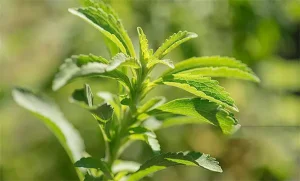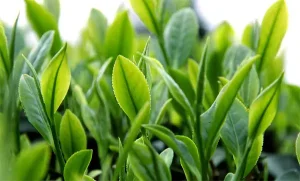

The global transition toward natural, calorie-free sweeteners has elevated Stevia Extract (derived from Stevia rebaudiana) from a niche sugar alternative to a mainstream commodity in global food processing, beverage manufacturing, and pharmaceutical formulations. As regulatory bodies like the FDA (US) and EFSA (EU) continue to mandate sugar reduction while consumers reject synthetic sweeteners (e.g., aspartame and acesulfame potassium), bulk buyers search globally for reliable exporters to secure continuous, high-purity supply chains.
Today, China dominates the manufacturing landscape, processing over 75% of the world's raw stevia leaf. Global sourcing relies on strategic agricultural integration and advanced chemistry to refine individual steviol glycosides. While Rebaudioside A (Reb A) remains the workhorse of the industry due to its cost-efficiency, buyers are increasingly looking for premium glycosides like Rebaudioside M (Reb M) and Rebaudioside D (Reb D), which offer sensory profiles almost indistinguishable from sucrose without the lingering bitter aftertaste.
For commercial procurement teams, navigating "where to buy stevia extract" requires evaluating several factors beyond cost. These include purity ratios (e.g., Reb A 97%, Total Steviol Glycosides TSG 95%), botanical traceability, pesticide residue control, and compliance with EU-GMP and CEP certifications. An exporter's ability to offer consistent active-ingredient concentrations directly dictates the success of large-scale industrial recipes.
The demand curves for stevia extract are driven by government-imposed sugar taxes across Europe, North America, and parts of Asia. Companies reformulation strategies depend on reliable, stable supplies of sweetening compounds. High-intensity sweeteners are highly concentrated; 1kg of high-purity Stevia extract can replace up to 300kg of refined beet or cane sugar. This yield makes stevia highly cost-effective for international freight, warehousing, and logistics, despite its higher upfront cost per kilogram compared to sugar.




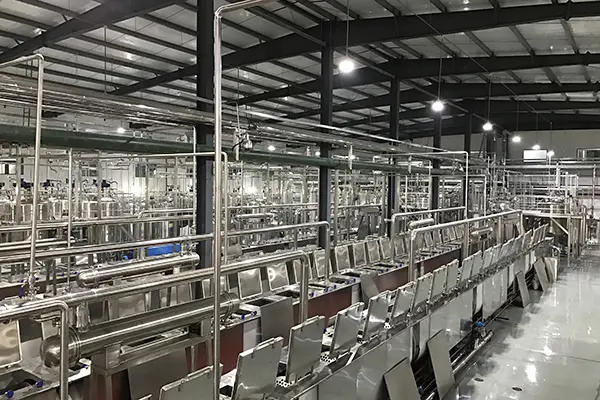
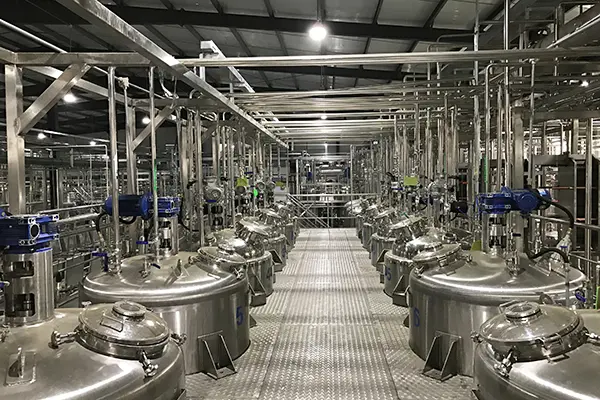
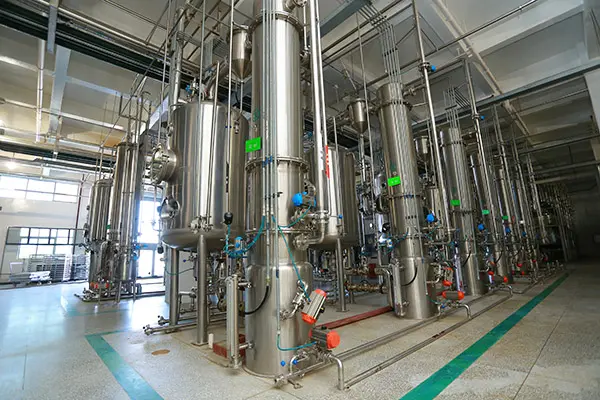
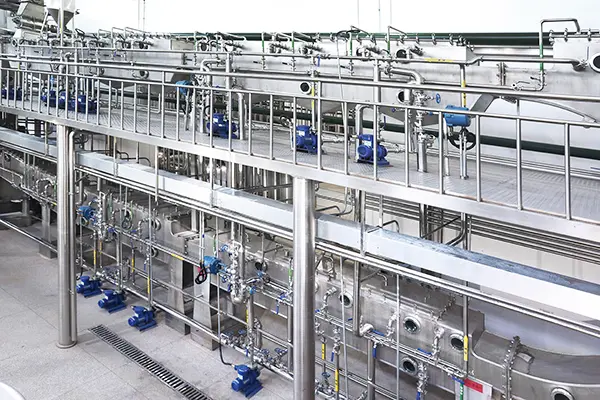
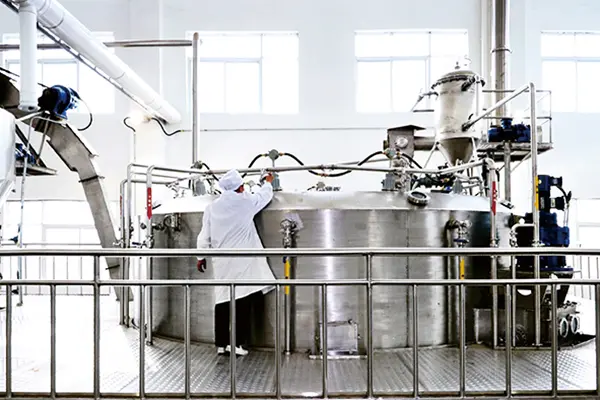
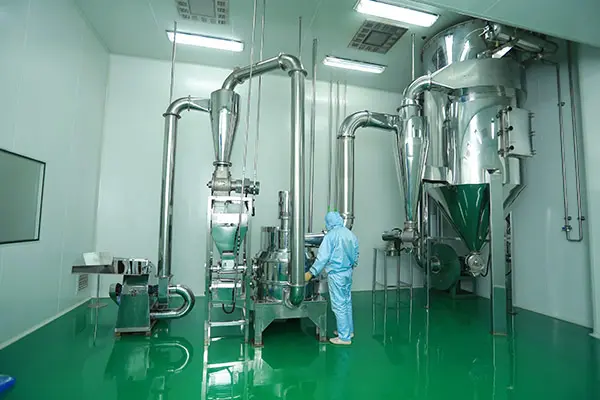
UniCare attaches great importance to the hardware conditions of production equipment and has the largest and most advanced extraction factory in China. The entire production line in UniCare is controlled by a modern, intelligent, automatic control system.
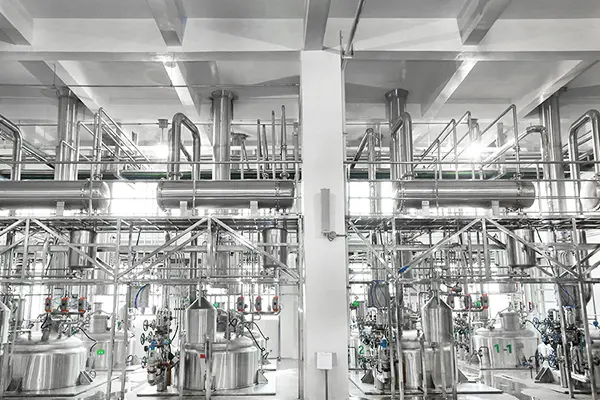
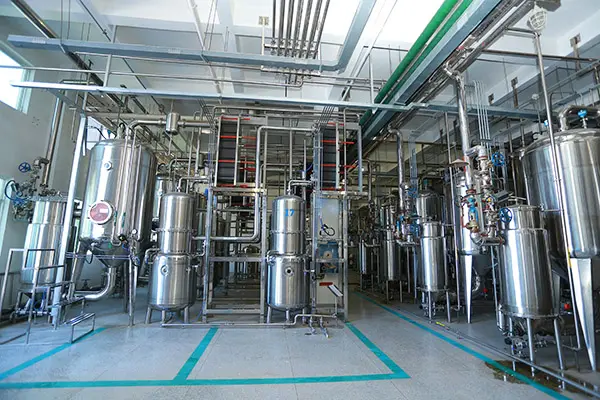
Until now, UniCare has built up two GMP workshops, containing six multi-functional extraction lines, among which there is the only production line for Ginkgo Biloba Extract of acetone process in the whole China. Here are several other production lines including fermentation production lines and Chinese medicine pieces. A total of 30,000 tons of various Chinese medicine plant raw materials can be processed each year.

The factory has passed the China GMP certification.

The EU-GMP and CEP of Ginkgo Biloba Extract has been certificated.

All extraction production lines adopt modern, intelligent and automated control systems.

Own the most advanced extraction equipment in China.

Annual processing of 30,000 tons of Chinese medicine and plant raw materials.

Three dynamic countercurrent extraction lines (10t & 15t); two multi-functional lines (32 tanks of 6m³); one round dynamic line (10t).

Own the only acetone process extraction line for Ginkgo Biloba Extract in China meeting EU GMP standards.
Own six fermentation tanks (20 tons capacity each) for enzyme-modified products.
Reb A >97% or Reb M is preferred in carbonated drinks and juices to maintain clarity, prevent precipitation, and achieve sugar-like profile.
Requires enzymatic stevia or customized stevia-erythritol blends to mask astringency and replace lost solids (bulking agents).
Co-crystallized stevia with erythritol, dextrose, or maltodextrin matches the spoon-for-spoon volume of domestic sugar.
Used in syrups, chewable tablets, and pediatric drops to mask active ingredient bitterness without causing tooth decay.
United New Life has established a leading and complete quality control system, and strictly controls the high quality of products in accordance with the quality system.
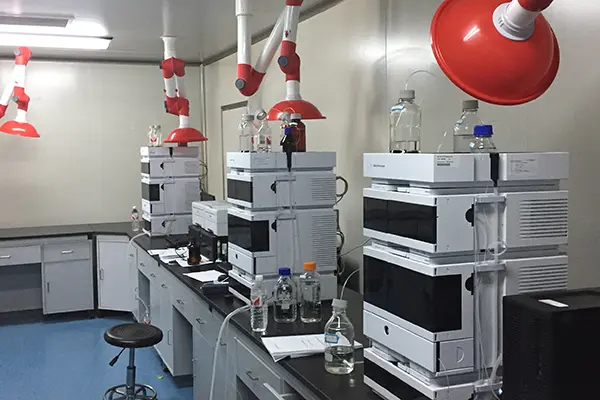
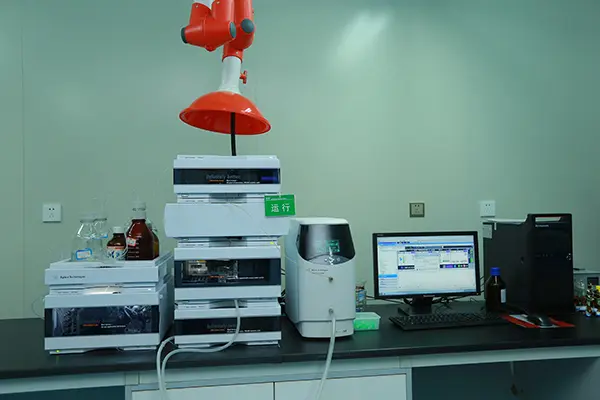
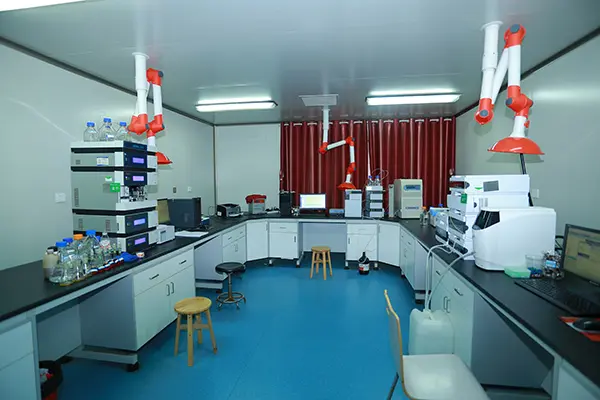
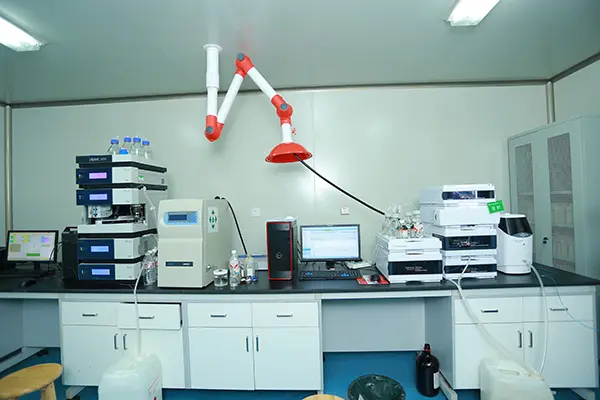
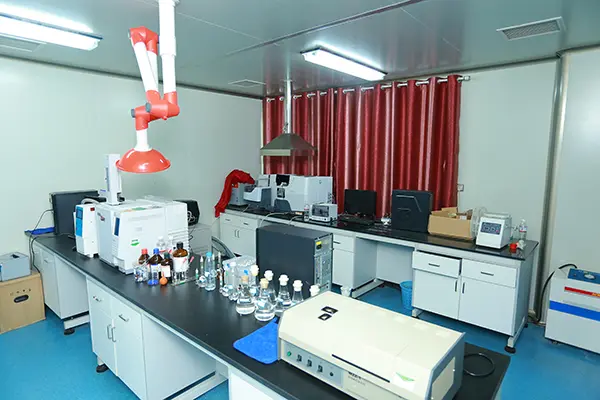
With advanced testing instruments, strict control of product quality, to provide every customer with high quality products. Detectable items are: Signature component detection (HPLC or UV), solvent residues GC, pesticide residues (organochlorine detection) GC-MS-MS, heavy metals (lead, arsenic, mercury, cadmium, copper) ICP-MS microscopic identification, moisture, dry weight loss, ash, microbial limits, thin layer identification, weighing, conductivity, PH, sulfur dioxide residue, routine detection, etc.
Important testing instruments are: Two UHPLC Agilent 1290 ultra-high performance liquid chromatographs, four HPLC Agilent 1260 high performance liquid chromatography sets, there are two HPLC Shimadzu LC-20AT high performance liquid chromatograph, two HPLC Diane CU3000, two Shimadzu evaporative light scattering detector 2000ES, one Shimadzu GC2010 gas chromatograph, and one Shimadzu AA-7000 atomic absorption system.
The Central Lab is about 800 m², and qualified by CNAS.
| Active Ingredient Analysis | Assay, identification |
| Hazardous Substance Analysis | Heavy metals, pesticide residue, solvent residue |
| Microbe Analysis | Bacterium, Escherichia coli, Yeast & mould, specific microbial test |
| Raw Material Control | Pesticide residue, allergy origin, GMO, origin of raw material |
| Laws & Regulations Confirmation | Investigation and research of laws and regulations of China and other related countries |
| Stability Test | Guarantee the shelf life according to stability study |
| Others | pH value, moisture, ash, optical rotation, particle size, density, etc. |
| UHPLC, Agilent 1290 (×2) | HPLC, Agilent (×4) | HPLC, Shimadzu LC-20AT (×2) |
| ELSD, Shimadzu 2000ES (×2) | Shimadzu GC-2010 (×1) | Shimadzu AA-700 (×1) |

UniCare invest 10% of our annual net profit in research and development. In addition to optimizing and developing the existing natural plant extraction process, we have also established a professional R&D department for the natural fermentation products. By increasing investment in natural fermentation products, we try to break through the traditional processes and disrupt industry development.
UniCare has deep cooperation with Beijing University of Chemical Technology in the field of fermentation, jointly developing and transforming the new raw materials of pharmaceutical, cosmetic, and natural health products into mass-produced products.
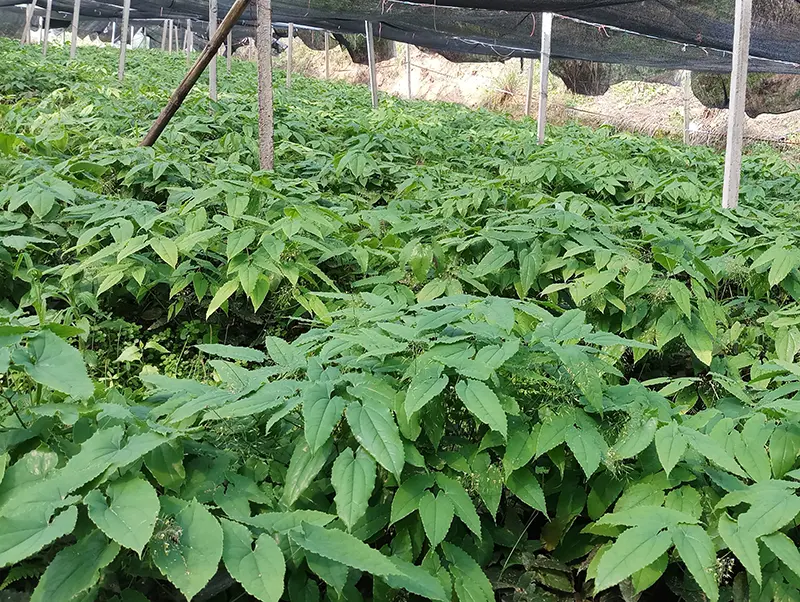
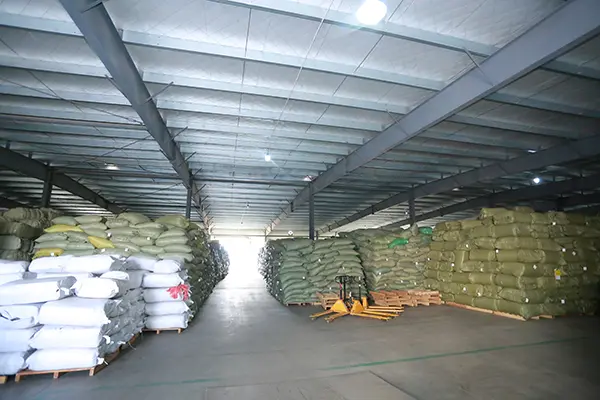
In order to control raw materials more efficiently and with higher quality, a raw material procurement system has been established, which extends procurement to every piece of planting land and can trace the raw materials of each batch of products. The storage of raw materials is operated according to the advanced quality management system process, and the content of active ingredients, moisture, ash, heavy metals, pesticide residues and other items of raw materials are strictly controlled.
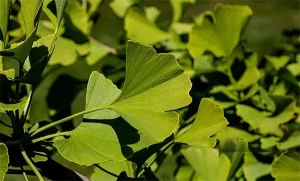
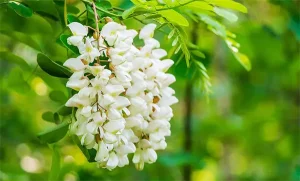
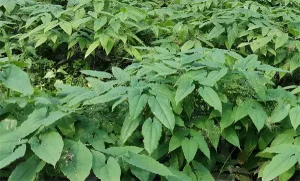
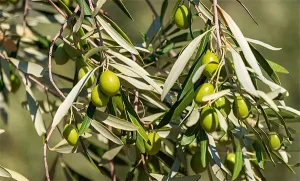
At the same time, in order to further ensure the high quality of important products, UniCare cooperated with planting farmers to establish ginkgo leaf planting bases, epimedium planting bases, phellodendron planting bases, olive leaf planting bases, etc. Some of these bases are planted strictly in accordance with the GACP management model. In addition, we cooperate with seedling research and development companies to develop high-content seedling cultivation, and cultivate better seedlings through hybridization or gene optimization, so as to continuously reduce unit costs to benefit users.
To address the scarcity of high-performing glycosides like Reb M and Reb D in raw leaf biomass (often representing less than 1% of total dry weight), UniCare is actively investing in enzymatic transglycosylation. This technology uses biological enzymes to convert highly abundant Reb A into Reb M, matching the sweetening power of sugar without the bitter aftertaste.
As compliance expectations evolve under the EU-GMP regulations, our engineering division is researching subcritical water extraction systems. Eliminating organic solvents reduces footprint, eliminates chemical residues in finished powders, and aligns with international clean-label certifications.
By integrating smart tracking tools in our GACP cultivation bases, we monitor soil chemistry, rainfall, and leaf maturity in real-time. This dynamic farming approach ensures harvested raw leaves contain optimal glycoside concentrations before processing.